

Jan6
READ THE POST







I have a thing for cleansing balms. There’s something about massaging my favorite balm into dry skin at the end of a long day that feels genuinely luxurious. It’s like a little ritual rather than a chore. But after trying what feels like every formula on the market, I can tell you: not all cleansing balms are created equal.
Some are rich and creamy and actually hydrating. Some feel like a dream to apply and rinse clean without leaving a greasy residue behind. And some, despite the hype and the pretty packaging, are just… fine. And there is one in particular that influencers love to rave about that I think is pretty average (dare I say below average).
Quickly, let’s talk about what a cleansing balm is. Then, I’ll tell you my favorites.
A cleansing balm is a solid or semi-solid cleanser, usually made with natural oils, shea butter, or waxes, that melts into the skin. Unlike traditional face washes, which you apply to wet skin, you apply a cleansing balm to dry skin, then wipe it off with a wet washcloth, removing makeup, sunscreen, and the day’s grime.
The key thing that sets a great cleansing balm apart from a mediocre one is texture and what it leaves behind. The good ones dissolve eye makeup (including stubborn eye makeup) without feeling tight or stripped. The not-so-great ones can feel watery, leave a greasy residue, or sting eyes. Ingredients matter a lot here.
Whether you’re looking for something non-toxic, budget-friendly, or just the best cleansing balm that actually works for dry skin, I’ve got you covered. Here’s my honest breakdown after testing a whole lot of formulas.

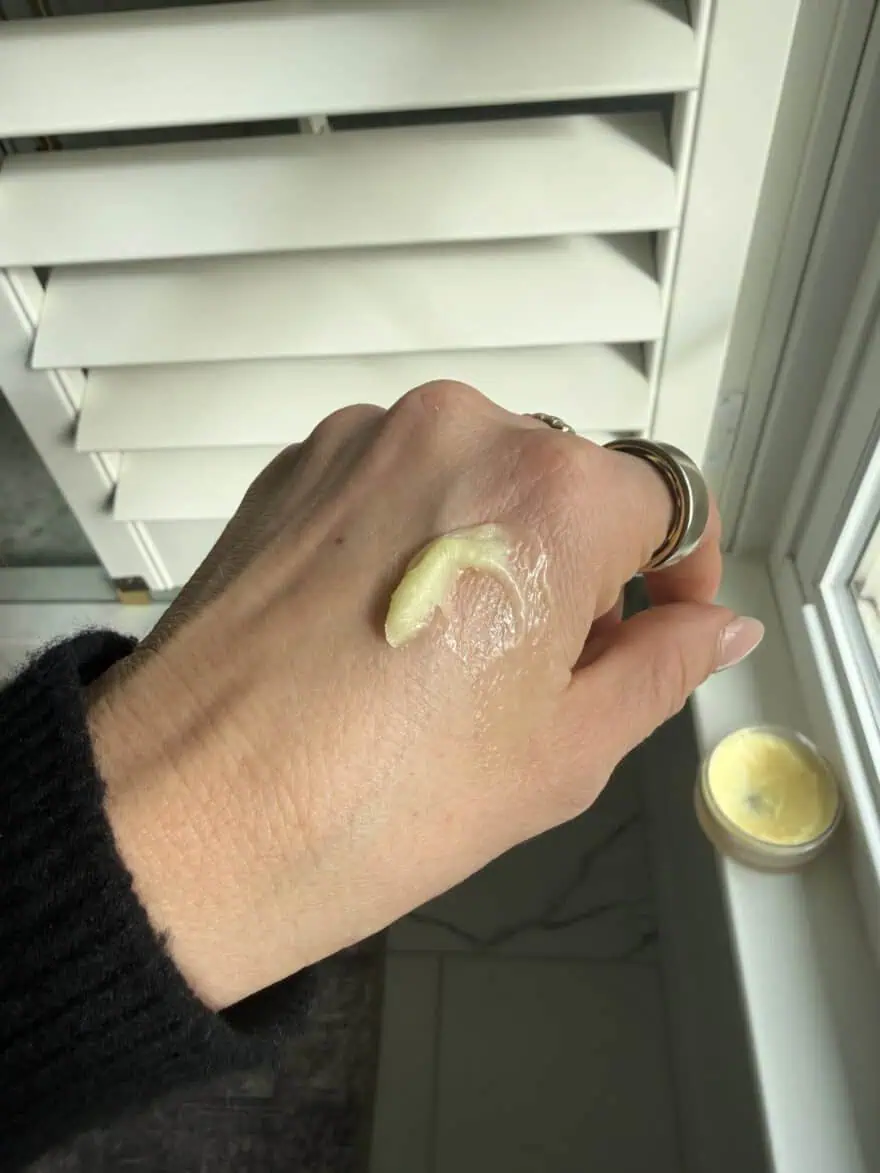
This is the one I come back to again and again, and if I’m being honest, it’s not even a close race for the winner. It’s far and away superior to all the others I’ve tried.
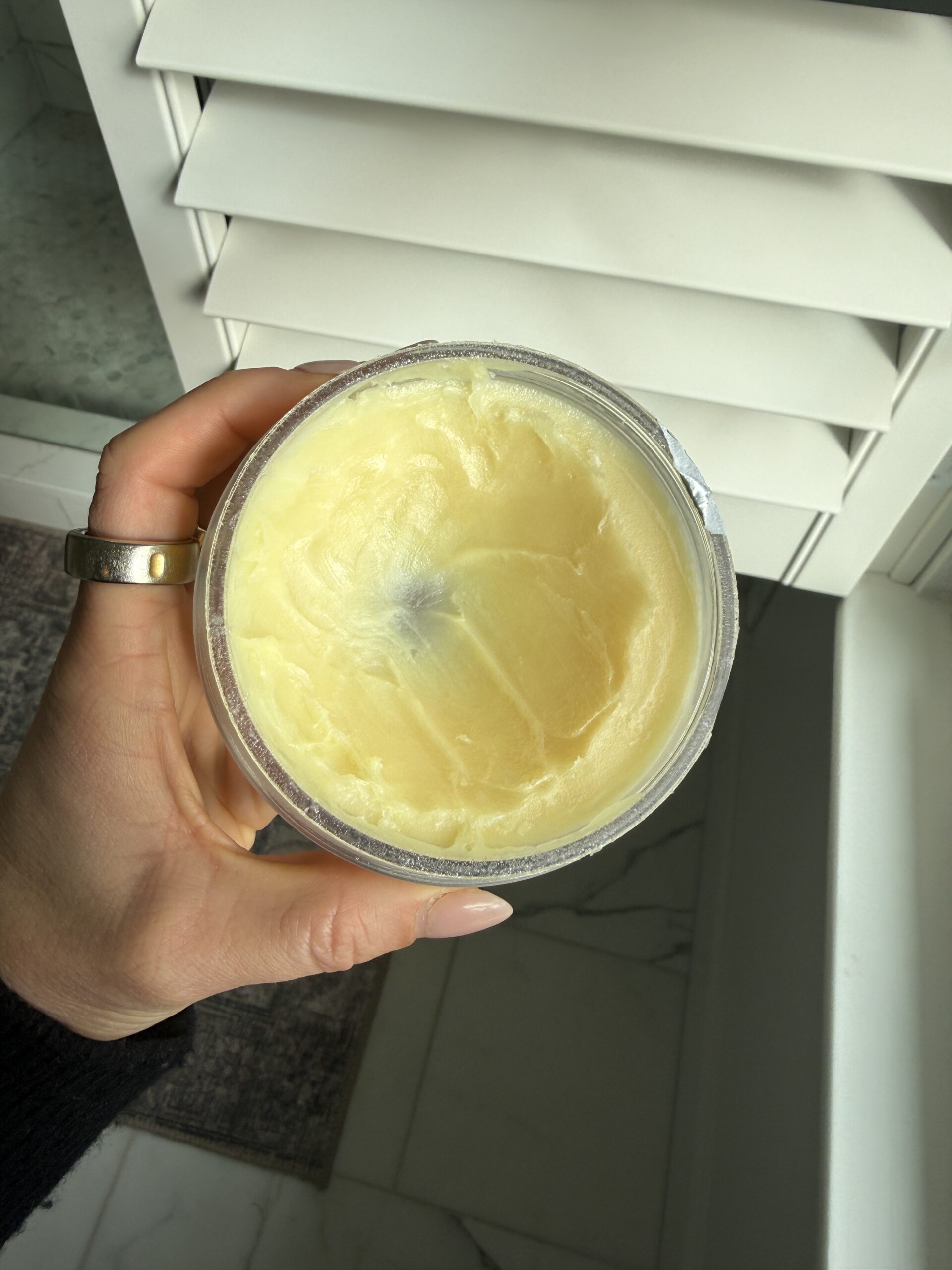
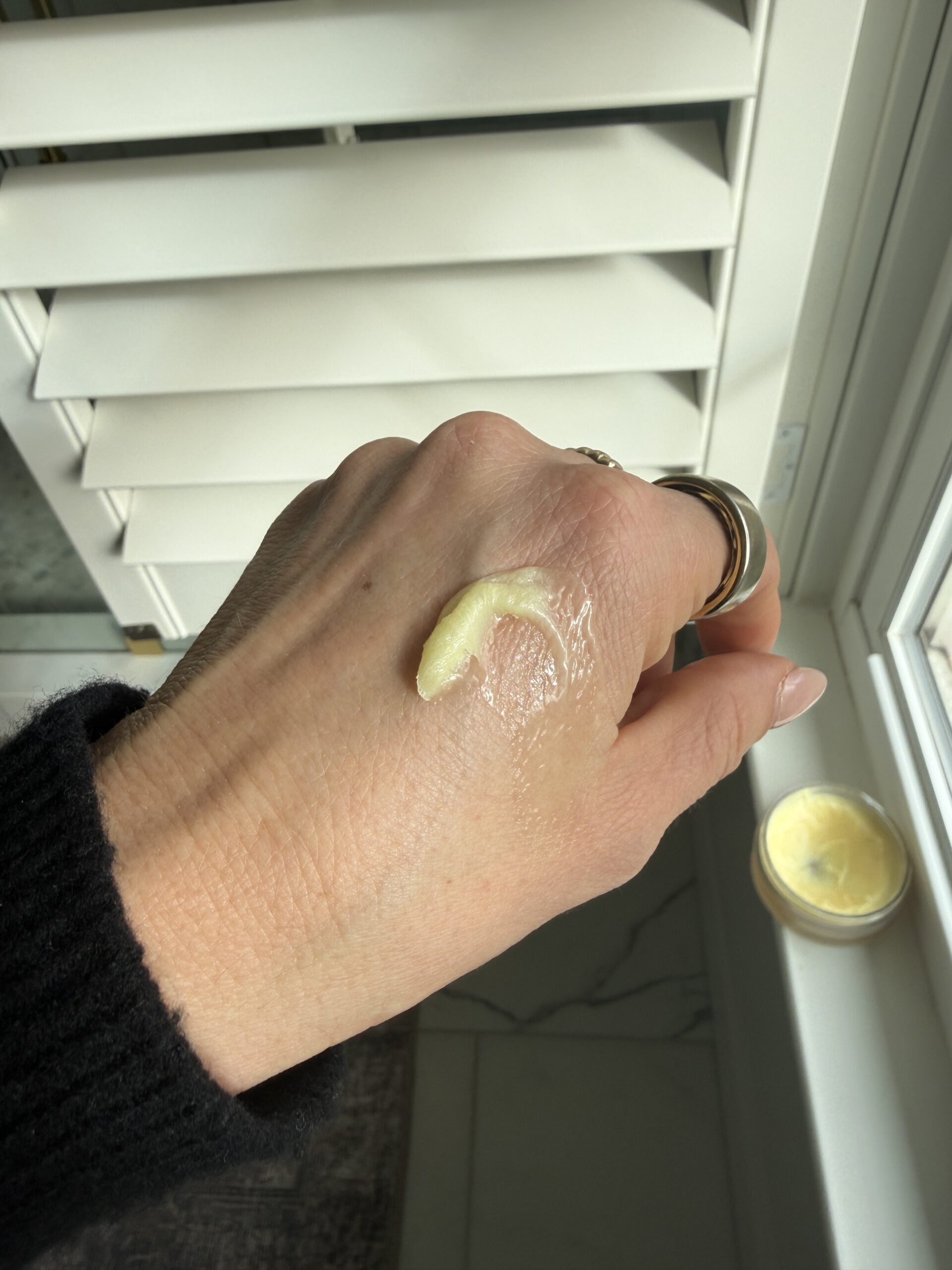
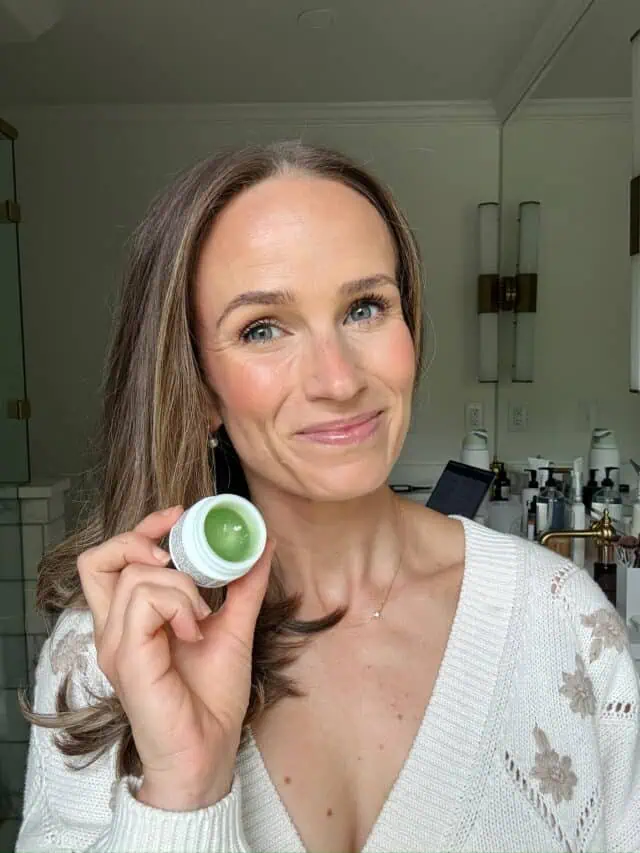
The Colleen Rothschild Radiant Cleansing Balm has the most satisfying texture of anything I’ve tried. It’s rich and hydrating without being greasy. It melts the moment it hits your skin, and the way it removes makeup is luxurious. And the way my skin feels when I take it off is truly noteworthy so if you have dry aging skin, you’ll love this one.
After rinsing, my skin doesn’t feel tight or stripped; it actually feels soft.
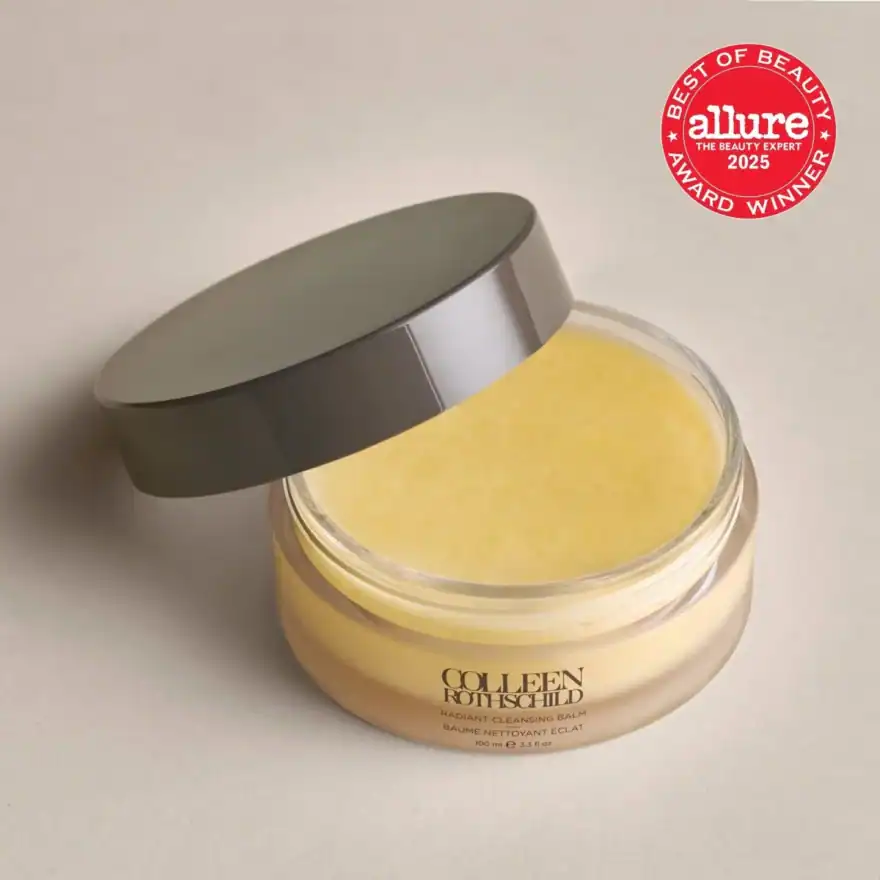
I’ll note that I wear tubing mascara, which basically comes off with just water, so I can’t speak to how it handles every waterproof mascara. It didn’t remove waterproof formulas as easily as I’d like, so if that’s a concern for you, you may want to use a dedicated eye makeup remover first.
If you want to read more about my love letter to the Colleen Rothschild Cleansing Balm, read my full review.
The one caveat: it’s not non-toxic. If that’s a priority for you, keep reading.
If clean ingredients are non-negotiable for you, the Counter (formerly Beautycounter) Lotus Cleansing Balm is the one I’d go with. This cleansing balm hits most of the marks: it’s a non-toxic formula, melts down nicely, and easily dissolves makeup.
The reason it doesn’t take the top spot is purely a texture and sensitivity thing. It’s not quite as creamy or luxurious as Colleen Rothschild, and it tends to sting my eyes during use. If your eyes are sensitive, that’s worth knowing. It’s also not as deeply hydrating, which might matter more for dry skin types.
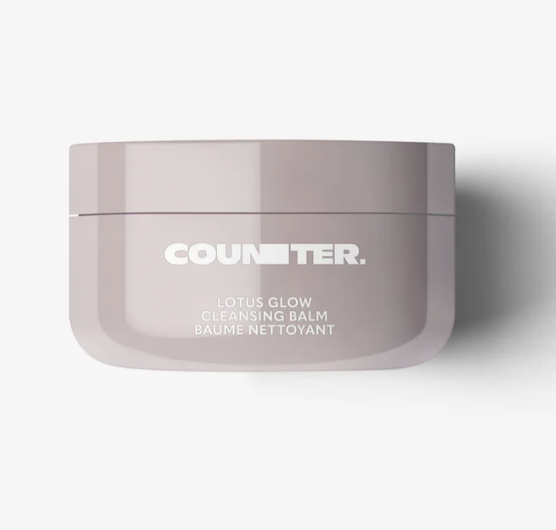
One more thing to mention: the brand has a bit of a complicated history. Beautycounter rebranded to Counter and has had some operational instability (including shutting down for a year). But diehard Beautycounter/Counter lovers raced to grab this when it reopened. Let’s just hope it doesn’t happen again if you get hooked.
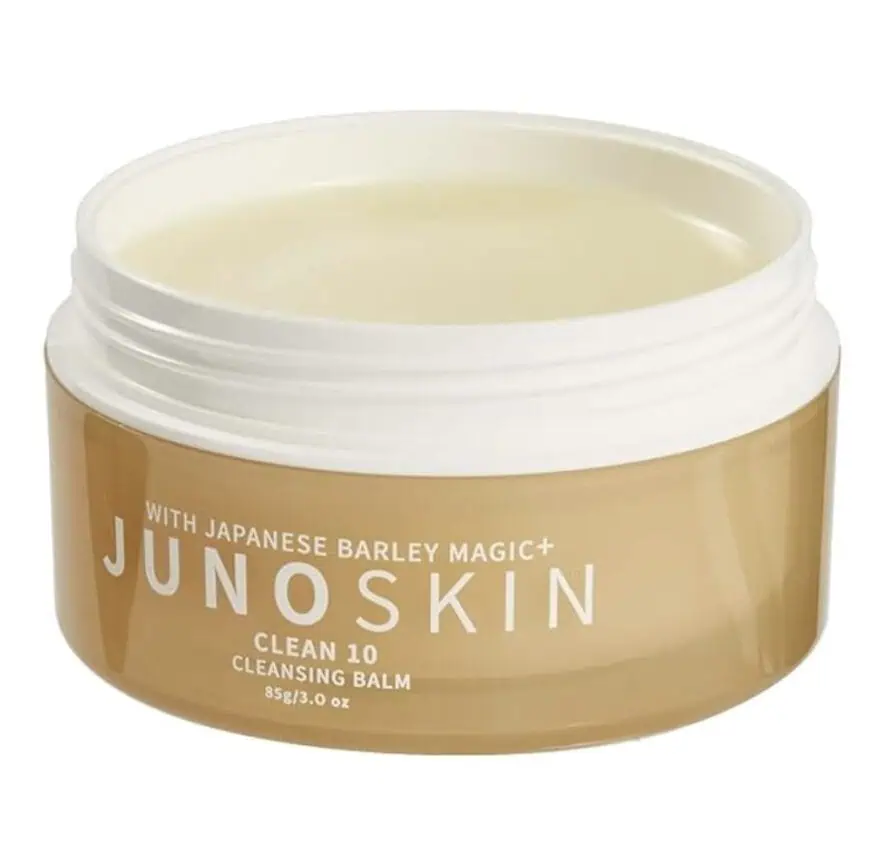
If you want to try a cleansing balm without spending a lot, the Juno & Co. cleansing balm is the one I’d point you toward. It gets the job done, removing makeup and rinsing cleanly. It also doesn’t leave a greasy residue behind, so for what it is, it’s solid.
That said, the texture and scent experience just isn’t there the same way it is with Colleen Rothschild or Counter. It’s not going to feel as luxurious in your nighttime routine; it’s more functional than indulgent. But for the price point, it’s genuinely a great introduction to a cleansing balm, especially if you have normal or combination skin types that don’t need a ton of extra hydration from your cleanser.
Okay, I’m going there. These two get a lot of love online, and I just… don’t get it.
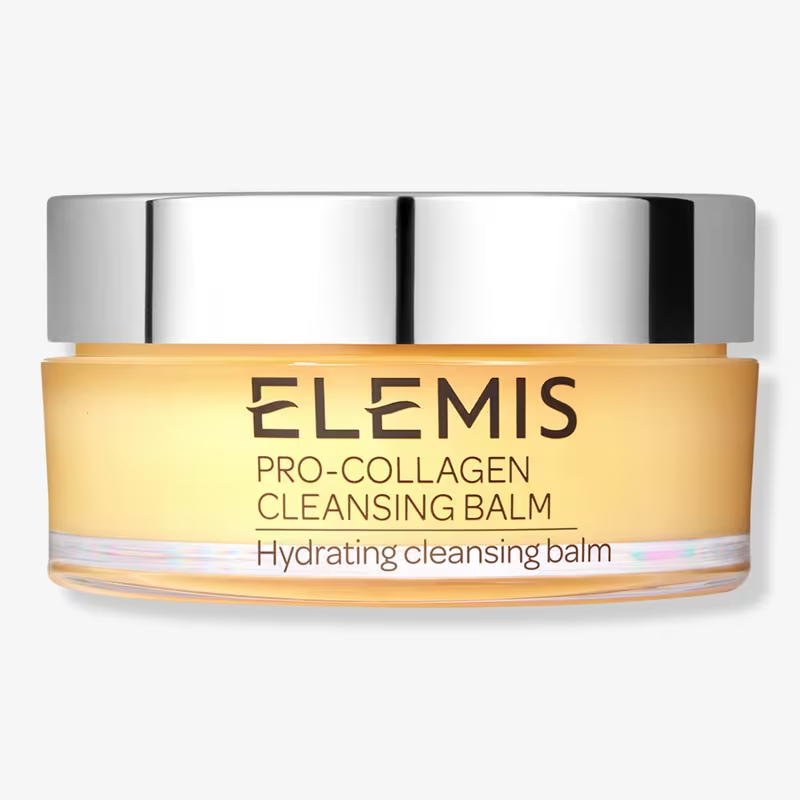
The Elemis Pro-Collagen Cleansing Balm is easily one of the most hyped cleansing balms in skincare, and I genuinely wished I loved it. But the texture wasn’t what I was expecting. It wasn’t particularly creamy, and it left my skin feeling dry rather than hydrated. For a product at this price point that’s marketed so heavily toward aging skin and skin barrier support, that was a letdown. It’s also not clean, which is just worth knowing if that’s on your radar.
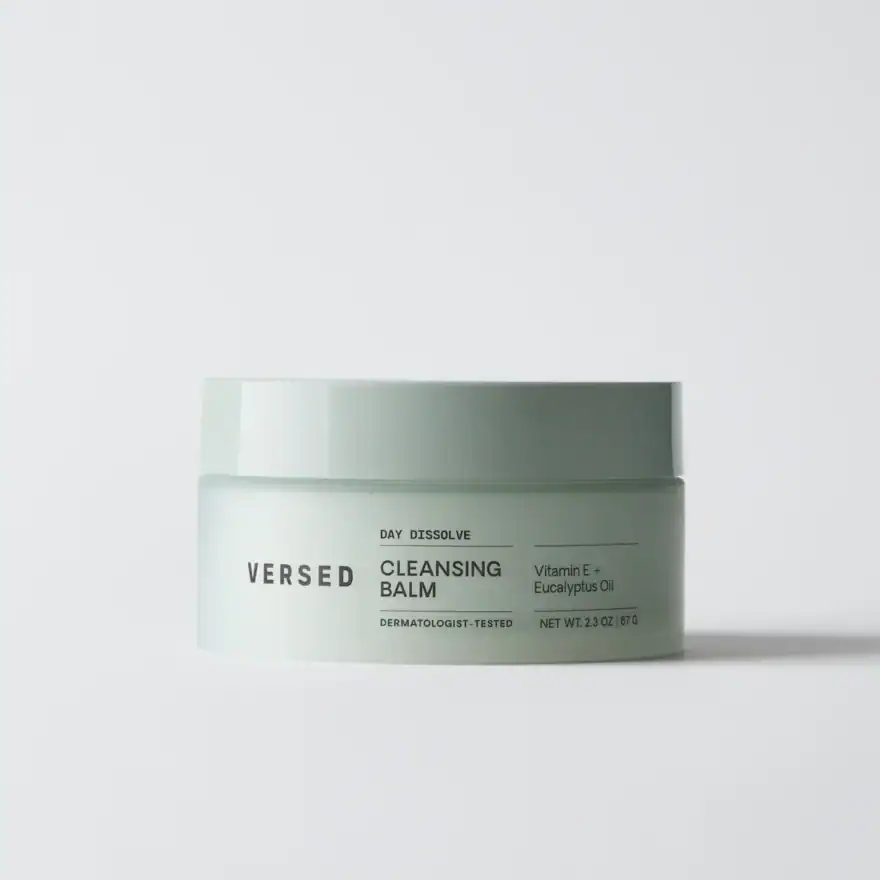
Versed Day Dissolve Cleansing Balm was a similar story, except somehow worse. The formula felt almost watery. It wasn’t the rich, balm-y texture I’m after at all. It just felt cheap, and there are way better options at a similar or even lower price point.
A few more that didn’t make the top list but are worth a mention:
Dime Beauty Cleansing Balm: Non-toxic, which I appreciate, but the formula isn’t as creamy or hydrating as my top two picks. If clean formulas are a priority and you want something more affordable than Counter, this is a decent middle ground. (Related read: Dime Beauty Review.)
True Botanicals Cleansing Balm: Non-toxic and genuinely luxurious. The texture is perfect. My only issue is the scent. Fragrance is a personal thing, and some people with sensitive skin or fragrance sensitivity may want to check the ingredients before committing. I also didn’t like the yellow color. (Related read: True Botancials Skincare Review.)
Crunchi Cleansing Balm: Major points for being the cleanest formula of the bunch. If ingredient transparency is everything to you, this one wins. But the texture lives up to the name (no shade, but also… kind of shade), and it doesn’t have much scent or that luxurious feel I personally look for in a cleansing balm. (Related reads: Crunchi Makeup Review and The Best Clean Skincare Brands)
The key is to start on dry skin. Scoop out a small amount (most formulas come with a little spatula, which is great for hygiene), warm it between your fingers, and then massage it all over your dry face in circular motions. Pay extra attention to areas with eye makeup or heavy coverage. After about 30–60 seconds of massaging, use a warm, wet washcloth to remove the product. (Some formulas suggest wetting your hands to emulsify the product and rinsing instead of wiping off, so check the label.) Then, always rinse with a splash of cool water.
This is probably the most common question I get about cleansing balms, and the answer is: it depends on your skin and routine. Double cleansing helps fully remove makeup, SPF, and oil, so it’s great if you wear those daily. But if your skin is dry and you keep your routine minimal, one thorough cleanse is often enough. The goal is clean, balanced skin. So, if it feels good without a second cleanse, you’re fine.
Counterintuitively, yes. Many cleansing balms are totally fine for acne-prone skin, and some people find that oil cleansing actually helps regulate the skin’s natural oil production over time. The thing to watch for is formulas that leave a heavy, greasy residue, which can clog pores and lead to breakouts. The best cleansing balms for acne-prone skin are ones that rinse completely clean. If you’re nervous about it, follow up with a lightweight water-based cleanser as part of your double cleanse.
They work on the same principle, which is using natural oils to dissolve makeup and impurities. However, the main difference is texture. Cleansing balms start as a solid and melt on contact with skin. Cleansing oils start as a liquid. Both are great for most skin types, but cleansing balms tend to feel richer and more spa-like, which is personally why I love them. If you have dry skin, a balm with shea butter or similar ingredients may also give you an extra boost of moisture during your nighttime routine.
Other Posts You Might Like:
Shop The Post





Leave a Comment