

Jan19
READ THE POST







Almost everything that we’re buying these days seems to feel like fast fashion. It’s affordable, convenient, and arrives fast (thank you very much Target and Amazon). But the older I get, the more I value pieces that will last me for years. More expensive brands are often slow fashion, but not always. The conundrum comes in when finding clothing brands that aren’t fast fashion but are still affordable.
So, I went down the rabbit hole to figure out whether affordable slow fashion actually exists, what truly separates fast fashion from slow fashion, and how much gray area there is in between. I ended up learning a lot, so I’m breaking down which brands I feel good recommending and how to shop more intentionally in light of what we now know, without blowing your budget.
These brands resonate with women who prefer quality over quantity. The focus is on clothes that last, feel good to wear, and align with more ethical and sustainable practices without feeling unrealistic or out of reach. Not every brand below is perfect, but all have taken a meaningful step away from disposable fashion.
Sézane is a great example of fashion that feels elevated while still prioritizing responsible production. It’s based in Paris, and their pieces feel special without being overly trendy. The fit of their bottoms is a little hit and miss for my petite, muscular frame, but the tops are beautiful, which I show in my full review of Sézane. It’s a great brand if you lean towards high-quality, timeless style that leans feminine.
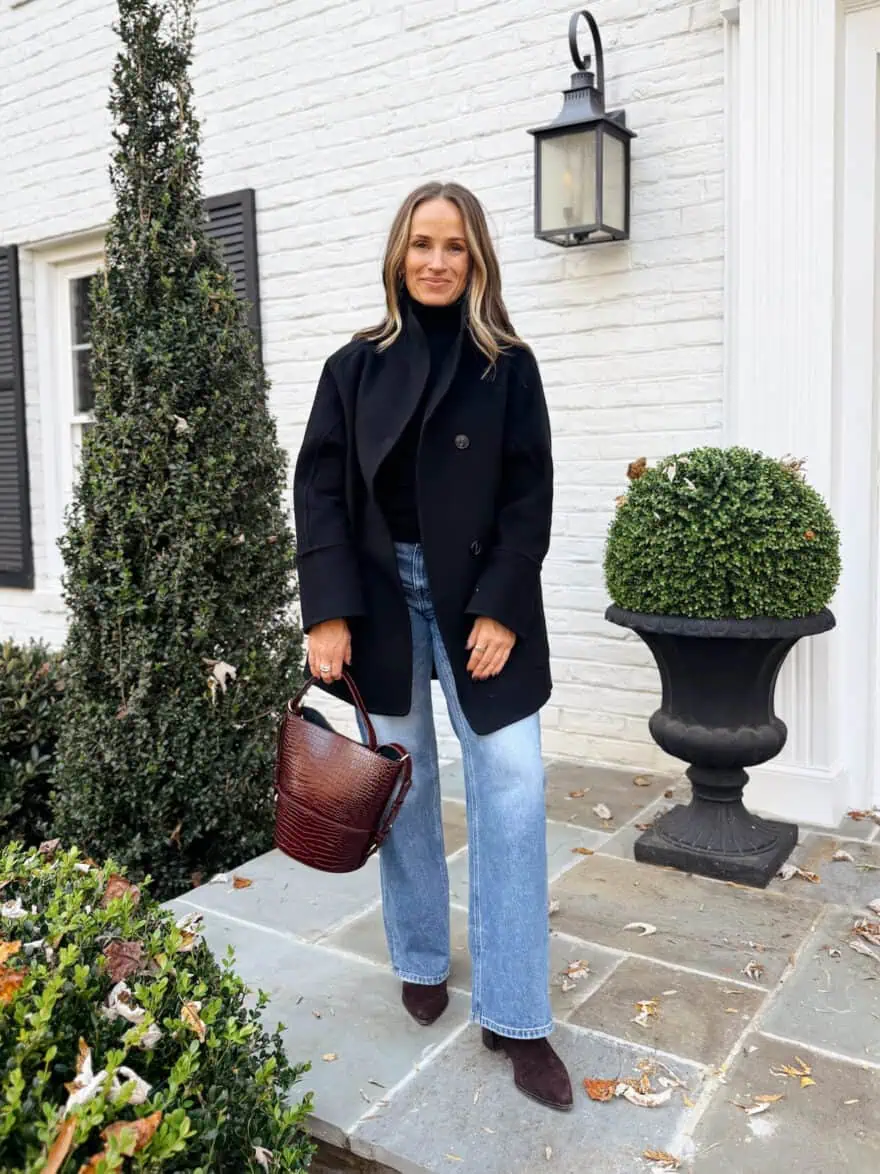


Frank & Eileen is known for timeless staples that don’t change dramatically from season to season, which is one of the clearest indicators of a slow fashion model. The Frank & Eileen pieces I have are ones I’ve owned for years, and wear over and over.
That said, this is investment slow fashion, not affordable slow fashion. The price point is higher, but for many women, the cost-per-wear makes sense if you’re buying one piece you’ll reach for weekly instead of several cheaper alternatives.
My advice with Frank & Eileen: shop strategically. Look for sales, consider resale platforms, and invest in styles you know fit seamlessly into your everyday wardrobe.
They also have a ReLoved section of their site where you can buy previously worn items directly from them, rather than a Poshmark option.

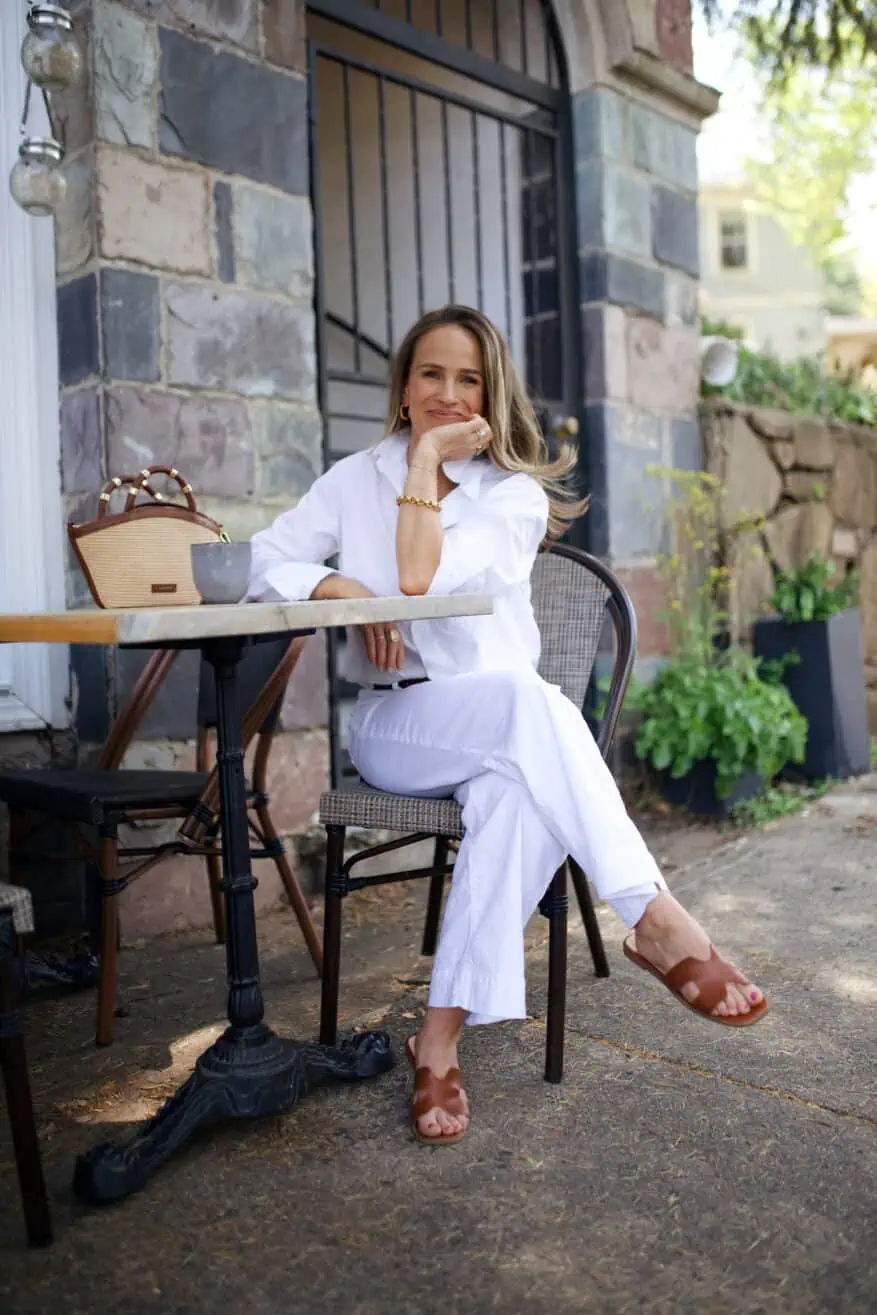
Everlane is often a gateway brand for shoppers moving away from fast fashion. Their focus on transparency, especially around factories and pricing, set them apart early on (before slow fashion was as well known). Their jeans and everyday cult favorites are especially popular for building a capsule wardrobe.
I don’t love a lot of their styles, but the basics are worth a look.
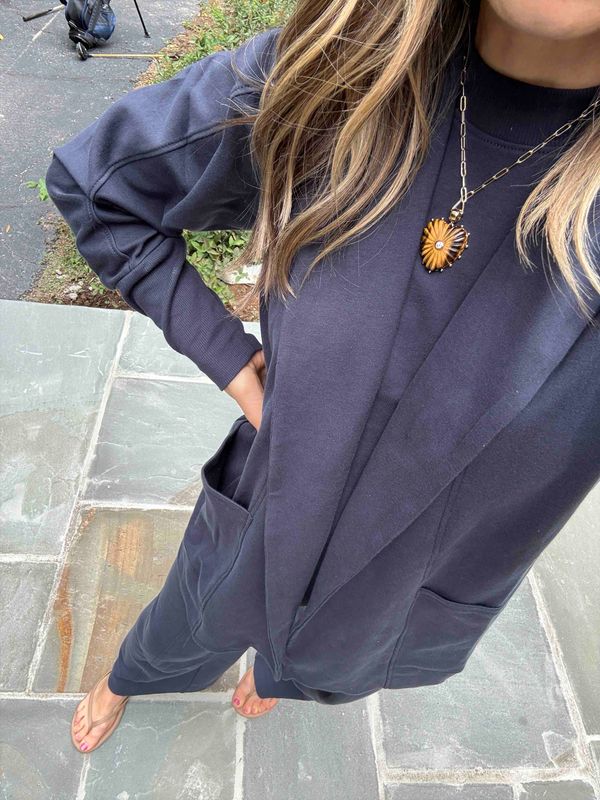
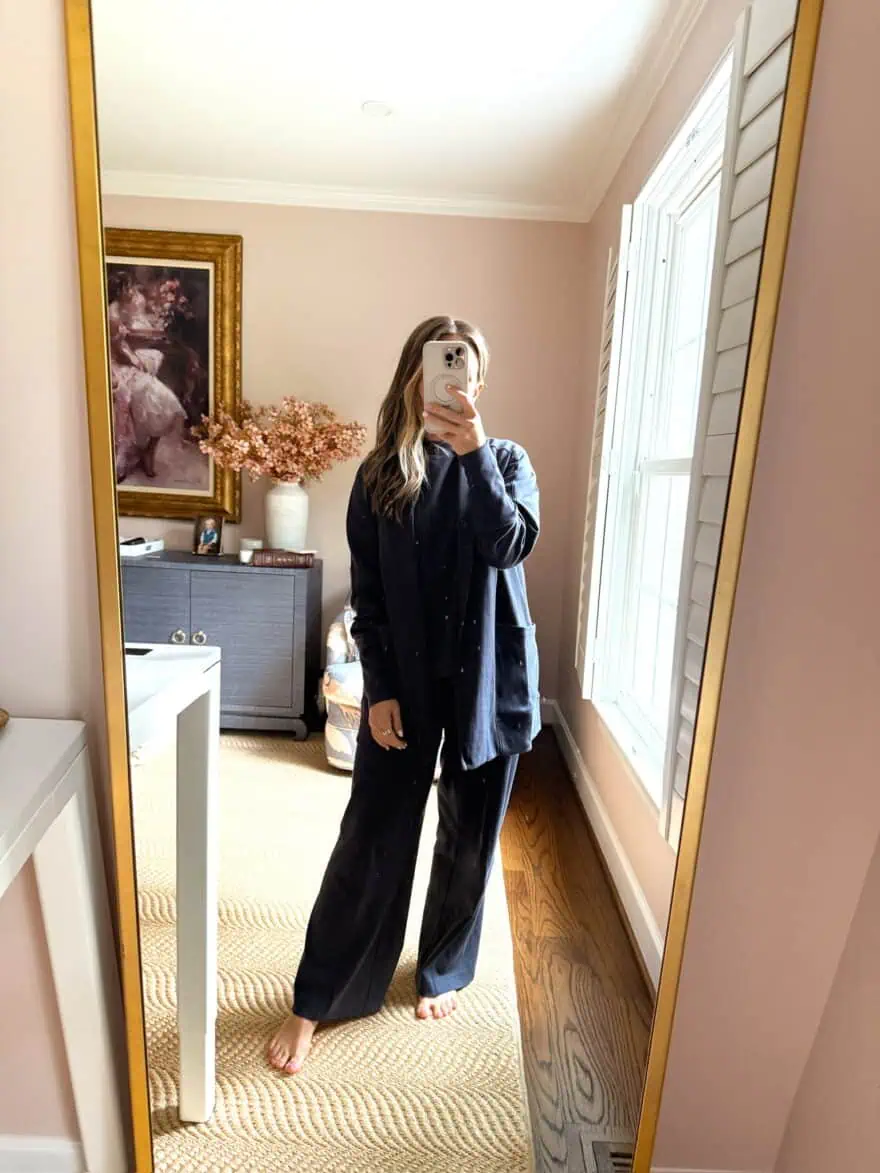
Pact is a great option for affordable slow fashion basics, and it’s often a favorite for those just beginning their transition away from fast fashion. I have a loungewear set from here, and it’s very well made (although I found it does run a little small). Again, the brand isn’t fully my style, but their basic tees and bottoms are great additions to your closet.
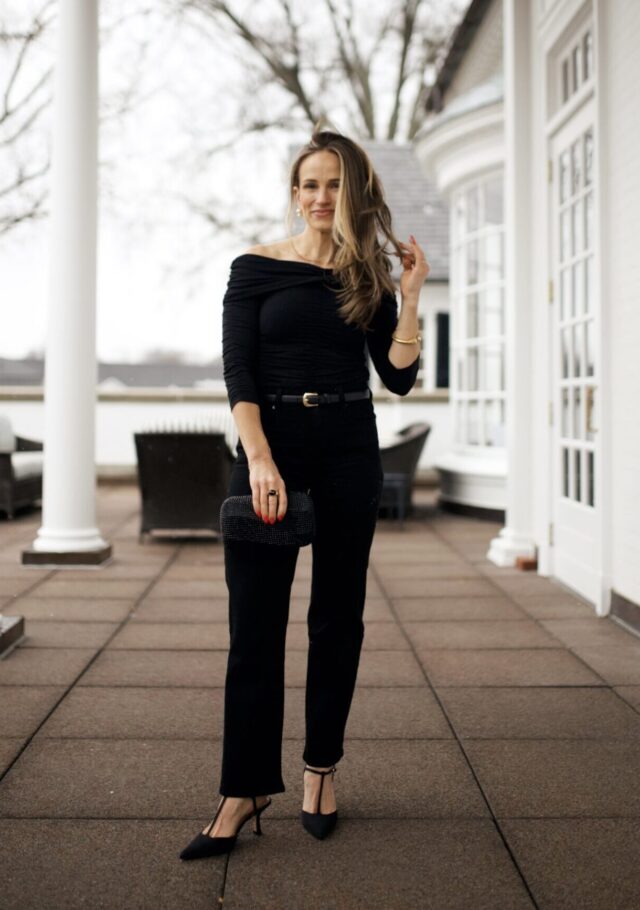
Reformation is your best option if you want fashion-forward styles without supporting fast fashion. This is another brand that isn’t totally my style, since it leans younger in its designs, but it’s a noteworthy option if you want on-trend pieces. Their basics section also has some great pieces for a timeless wardrobe.
Before getting into specific fast-fashion brands to avoid, it helps to understand what people actually mean when they say slow fashion versus fast fashion.
Fast fashion is built around speed and volume. Brands release frequent new collections, chase trends, and keep prices low by cutting corners on materials, labor, and production. The result is clothing designed to be worn a handful of times before being replaced.
Slow fashion takes the opposite approach. It focuses on thoughtful design for higher-quality garments and longer wear. It prioritizes timeless styles, better materials, and more responsible production practices over trendy pieces. While materials often cost more upfront, they’re meant to last, which makes them more cost-effective over time.
Fast fashion has reshaped the fashion industry, and not in a good way. Avoiding fast fashion isn’t about being perfect (just like it’s not realistic to always buy clean skincare brands). Instead, it’s about choosing better to reduce harm when you can.
This is where things get practical. When I evaluate whether a brand is worth recommending, I look at a few key factors.
While many brands fall somewhere on a spectrum, these companies are widely considered fast fashion due to their scale, speed, and business practices.
This was the heart of the rabbit hole for me because if slow fashion only works at luxury price points, it’s simply not realistic for most women.
But yes, it can be affordable if you focus on fewer, higher-quality garments and calculate the cost per wear. When you look at cost-per-wear instead of sticker price, many slow fashion brands end up being the better value.
Slow fashion can be more affordable than fast fashion over time, but it requires a different way of buying. Also, keep in mind that everyone defines “affordable” differently. I might view affordable as under $100, while others define it as under $50. And you may be willing to invest in things (like white t-shirts) that I don’t like to invest in since I have young kids.
Affordable slow fashion usually means:
If you’re trying to move away from fast fashion without doubling your clothing spend, this is what actually works:
Yes. While Target is not ultra-fast fashion like Shein, it operates on a fast fashion model with frequent product drops, large-scale production, and limited supply chain transparency. You can make better choices at Target, but it does not meet slow fashion standards.
This is a common question, and J.Crew sits in a gray area. It’s not traditionally considered ultra-fast fashion, and it does offer more timeless designs than heavily trend-driven brands. However, J.Crew still operates on frequent new releases and large-scale production, which keeps it from meeting true slow fashion standards. It can be a better option than ultra-fast fashion brands, but it doesn’t fully align with the principles of slow fashion.
Amazon isn’t a fashion brand, but much of the clothing sold on Amazon functions like fast fashion. As a marketplace, it prioritizes speed and low prices, which means many third-party sellers rely on trend-driven designs, synthetic materials, and limited transparency around labor and production. While there are some better options (typically established brands or simple basics made from natural fibers), Amazon itself doesn’t align with slow fashion values and isn’t curated for sustainability or longevity.
Their in-house fashion brand, The Drop (reviewed here), operates on a fast fashion model. It was originally built around limited-time, influencer-designed collections meant to sell quickly. Even as the assortment has expanded, it remains trend-driven with frequent releases and limited transparency around sourcing and production.
Common certifications include GOTS (organic cotton), Fair Trade, Fair Wear Foundation, and B Corp. These help signal better labor practices, environmental responsibility, and supply chain transparency.
Not exactly. Ethical fashion focuses on fair wages, safe working conditions, and labor rights. Sustainable fashion focuses on environmental impact, materials, and carbon emissions. The best brands address both.
Natural materials like organic cotton, linen, wool, and silk generally have a lower environmental impact and last longer than synthetic fabrics derived from petroleum.
This post wasn’t about telling you to never shop fast fashion again. It was about answering the question you’ve asked me repeatedly: is there a middle ground?
There is.
Affordable slow fashion exists, but it looks different than fast fashion. It means buying less, choosing better materials, supporting brands with more transparency, and letting go of the idea that every outfit needs to be brand new. If you’re intentional with your purchases, you can build a wardrobe that truly lasts.
Other Posts You Might Like:
Shop The Post


Leave a Comment