
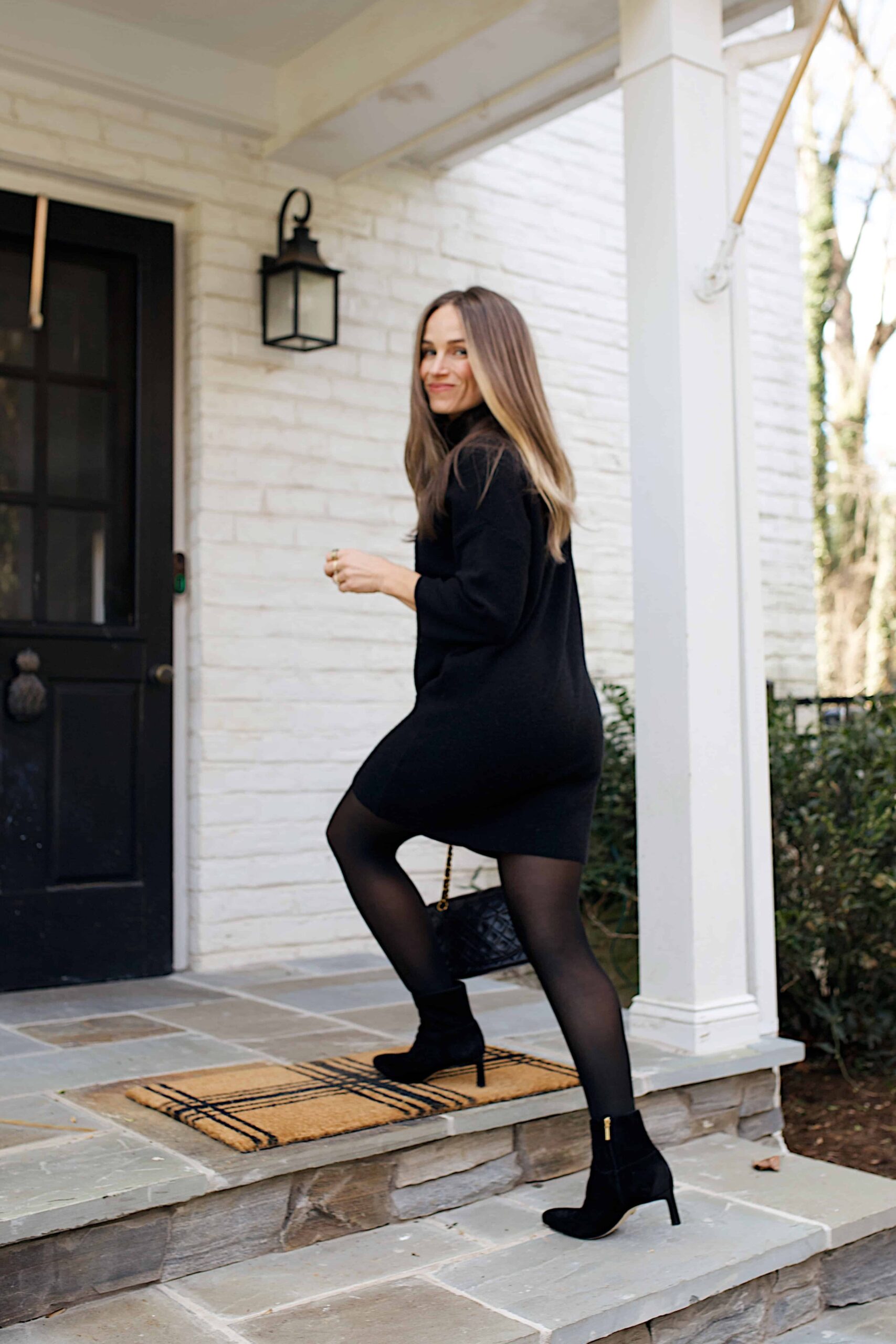
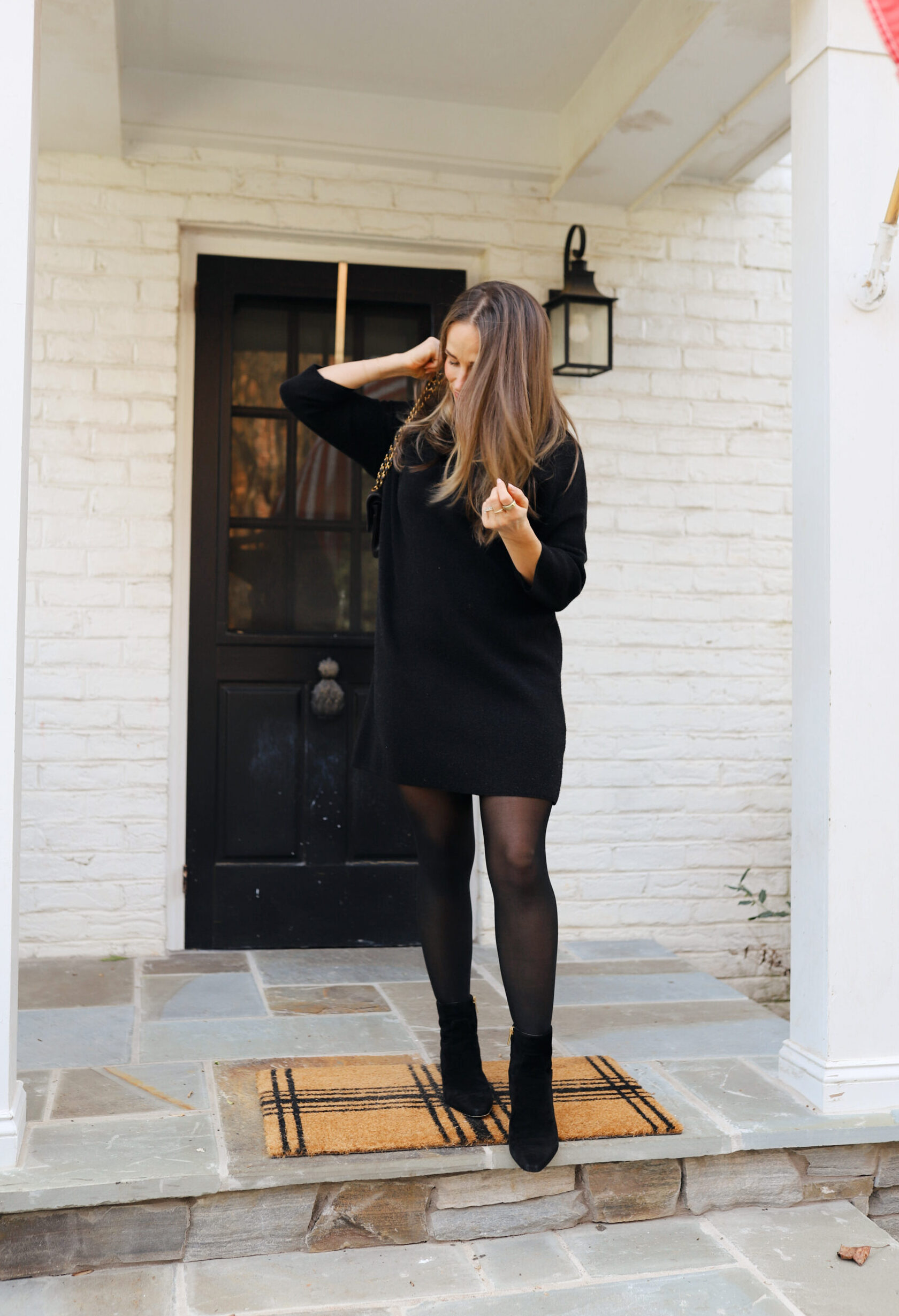
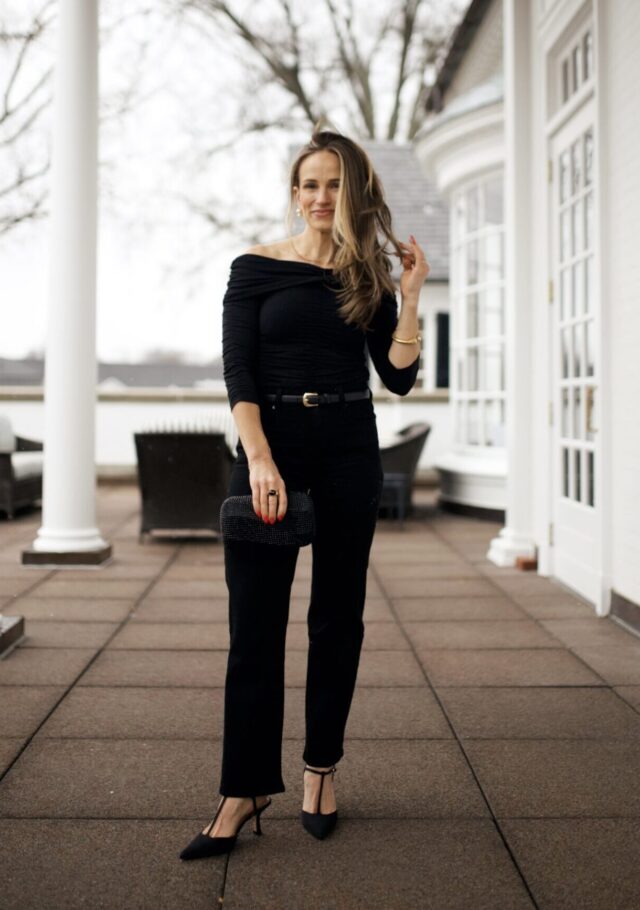
Dec18
READ THE POST







Finding your personal style can feel oddly overwhelming. You know what you don’t like, and you probably have certain pieces you reach for more often. But you feel a little stuck when putting words and outfits to your style.
Something I’ve found to be true when trying to find my own style is personal style really isn’t something you magically “find.” It’s something you discover over time, refine, and repeat when you begin to nail what you like. Some might disagree, but I don’t think you need a quiz or an entirely new wardrobe to find your style.
Before we get into the how, there’s one important distinction that makes this whole process feel a lot less confusing.
The fastest way to find your personal style is to stop scrolling and start auditing. Pull out the 10 pieces in your closet you reach for every week — those tell you more about your style than any Pinterest board. From there, find the pattern: are they classic? Easy? Polished? Edgy? That’s your real style, not the aspirational one you’re trying to build. Most women already have a style — they just haven’t named it. Naming it makes shopping 10x easier (my wardrobe staples list).
One of the biggest misconceptions about personal style is that it’s defined by what you own. In reality, style is about how you pull your clothing together for an outfit, not the individual pieces themselves.
Your wardrobe will change throughout your life; mine certainly has. When I worked in Corporate America, I wore more tailored, structured pieces. Today, my closet is more casual and flexible. But my style hasn’t changed.
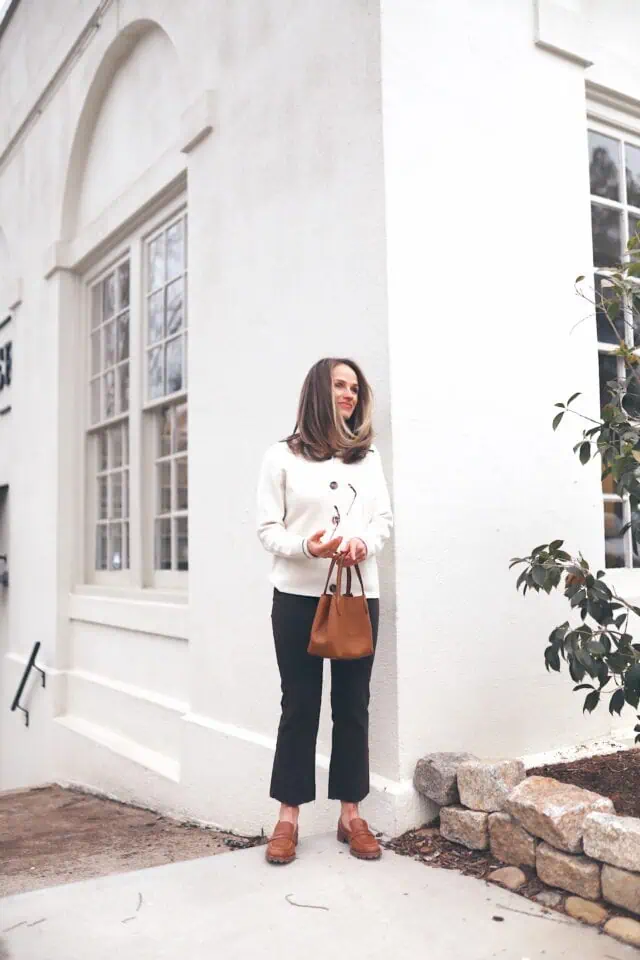
It’s still classic and timeless. I still gravitate toward neutrals and value fit, simplicity, comfort, and polish. The pieces look different, but the foundation is the same, which is why it’s important to dress for your current lifestyle while staying true to the style you’re building.
Once you understand your underlying style, your wardrobe can evolve without feeling disjointed. You’re not starting over; you’re updating. Keep that distinction in mind as you work through the steps below. The goal isn’t to copy a closet. It’s to understand the style behind it.
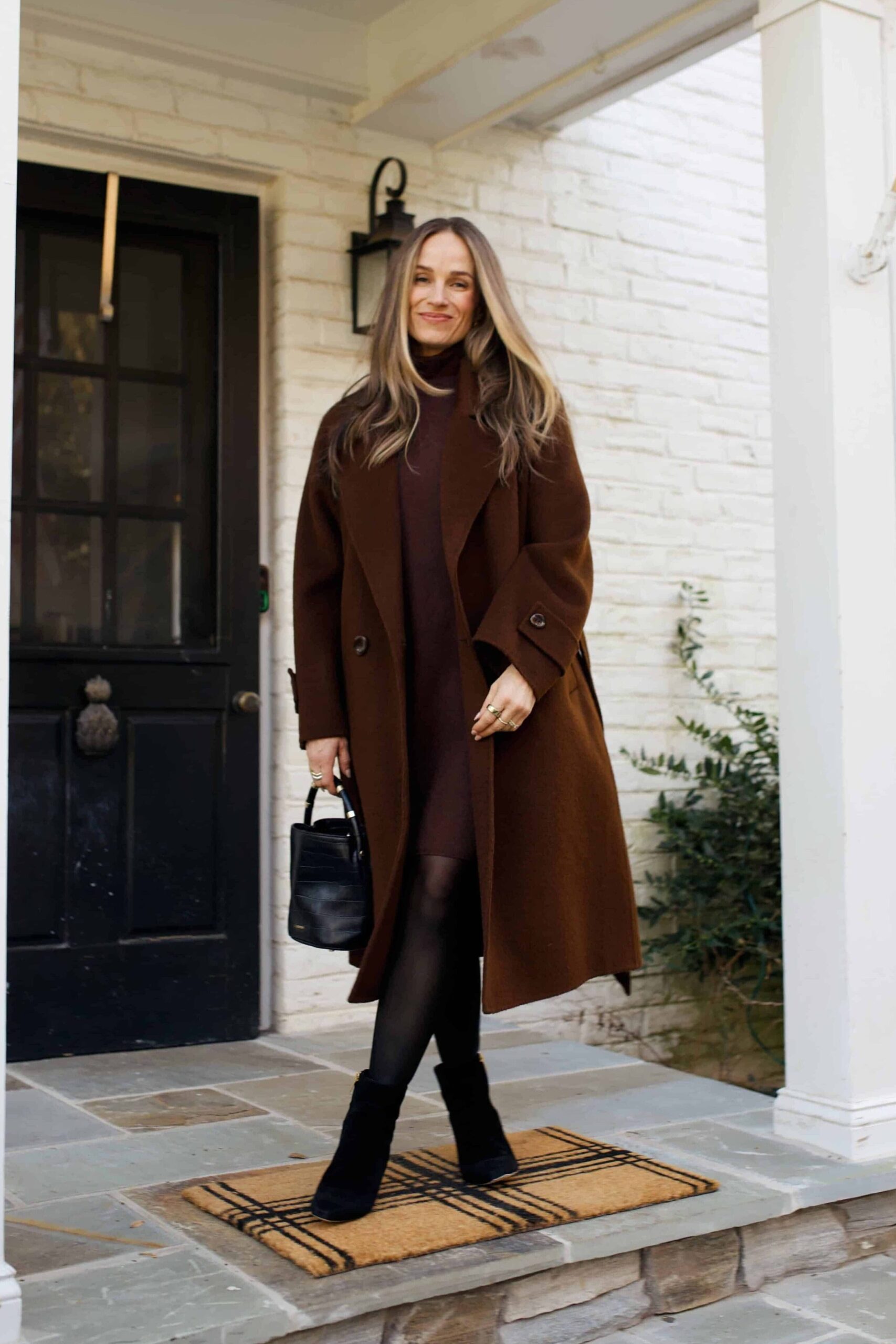
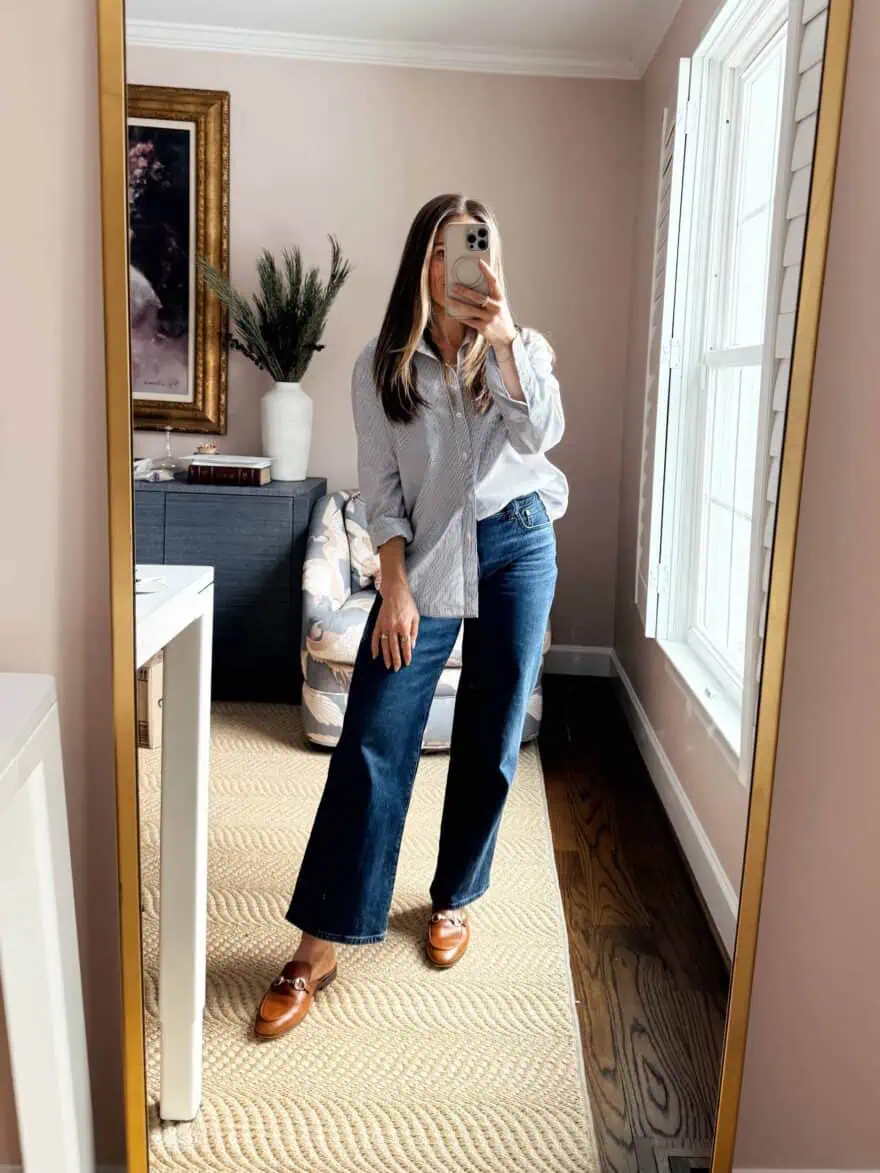
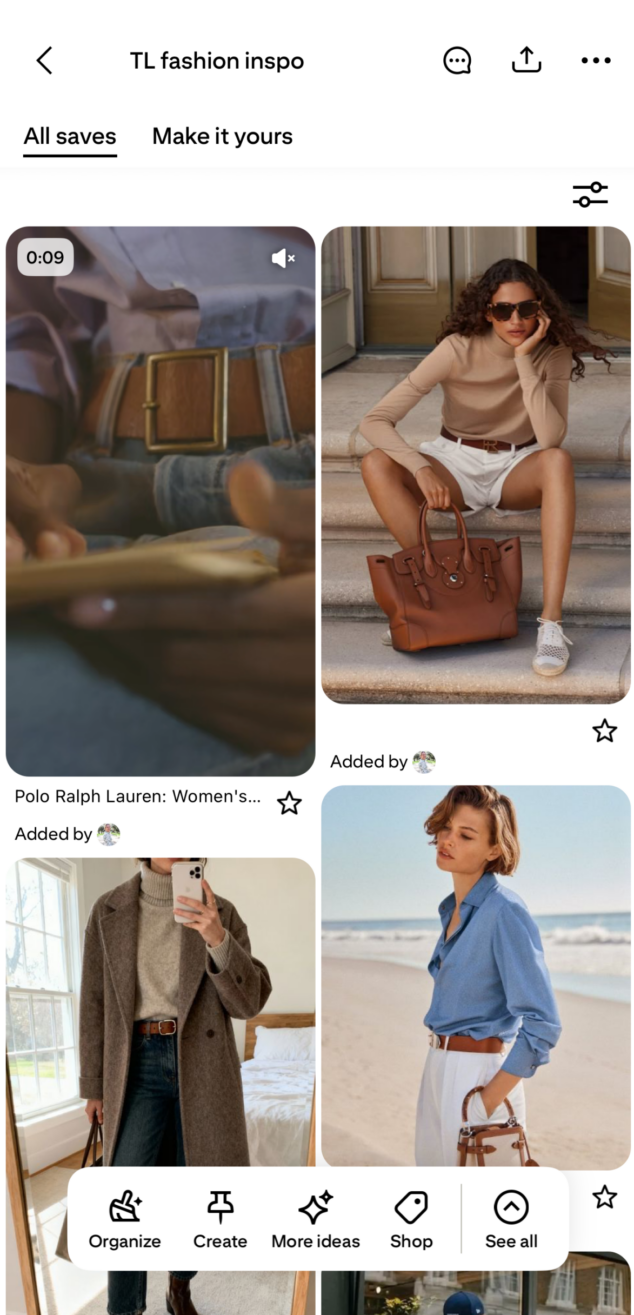
Pinterest is one of the easiest tools for identifying style patterns, but only if you use it intentionally. This is something that helped me evolve my style. I put together this Pinterest board of outfits I loved that would fit into my lifestyle.
Instead of pinning everything you wish you could wear, focus on outfits that feel realistic for your life. Think about pieces you could wear for activities you’re already doing (like school pickup), and if you already own something similar.
Once you’ve pinned 30–50 outfits, step back and look for patterns:
You’re not looking for one perfect outfit but trying to identify themes.
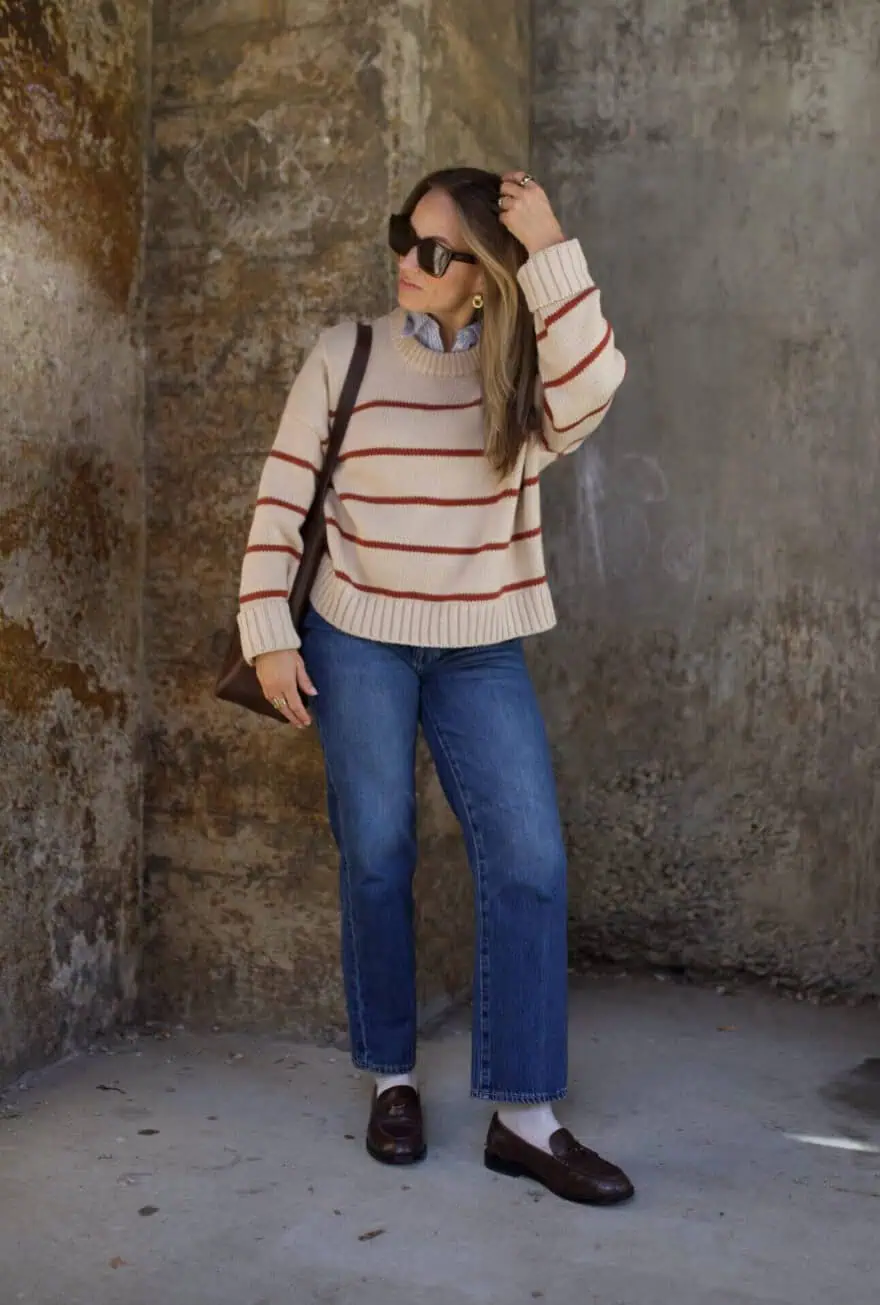
This sounds obvious, but it’s often the most overlooked step.
Think about the outfits or items that you reach for over and over that you feel great and most like yourself in. Then, start to pay attention to why you like them. Also note what you don’t like.
Your body type matters too – not in a limiting way but in a practical one. Certain silhouettes will naturally feel better on you and that’s okay. I have very muscular glutes and thighs and hate skinny jeans. Straight-leg jeans feel better on me. I’m also petite, so extremely oversized styles just feel ridiculous and almost impractical with all the fabric. If you’re petite too, see my full review of Petite Studio, which is a petite-specific brand I just discovered this year.
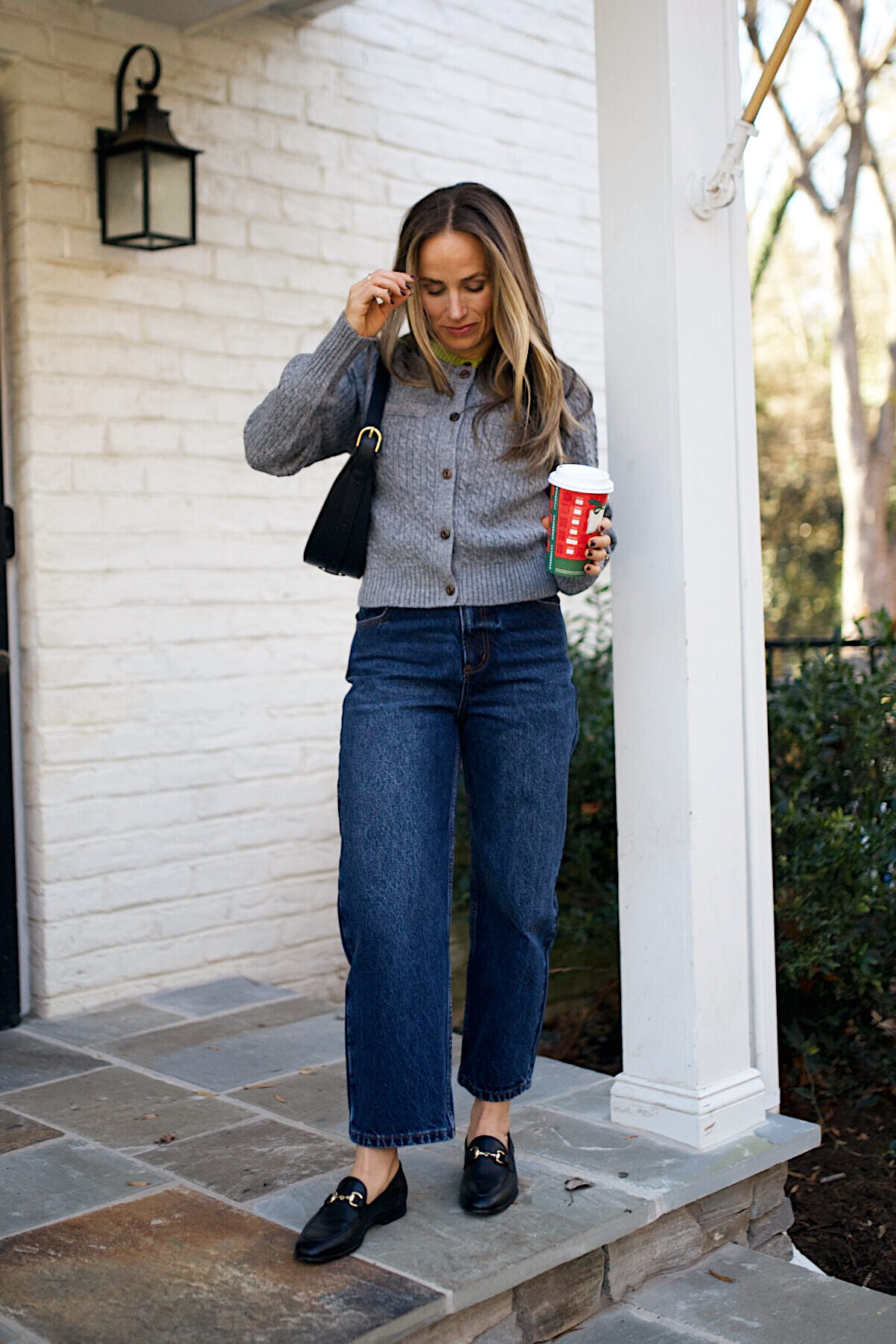
This question is surprisingly revealing. I love buying jeans and easy tops, like t-shirts, loose sweaters, and loafers and sneakers, which totally align with my classic style preference. These are the best 5 jeans I’d start with for a capsule wardrobe, and my full 10-piece capsule wardrobe.
When you’re shopping, what do you gravitate toward first?
Your instincts matter. Also, notice what you don’t enjoy buying. If you hate shopping for jeans, denim may not be central to your wardrobe. If you are the last to hop on trends, your style may lean more timeless. Whether you feel most natural in statement accessories or minimal ones, that’s part of your style too.
Your preferences are already telling you your style – you just need to pay attention.
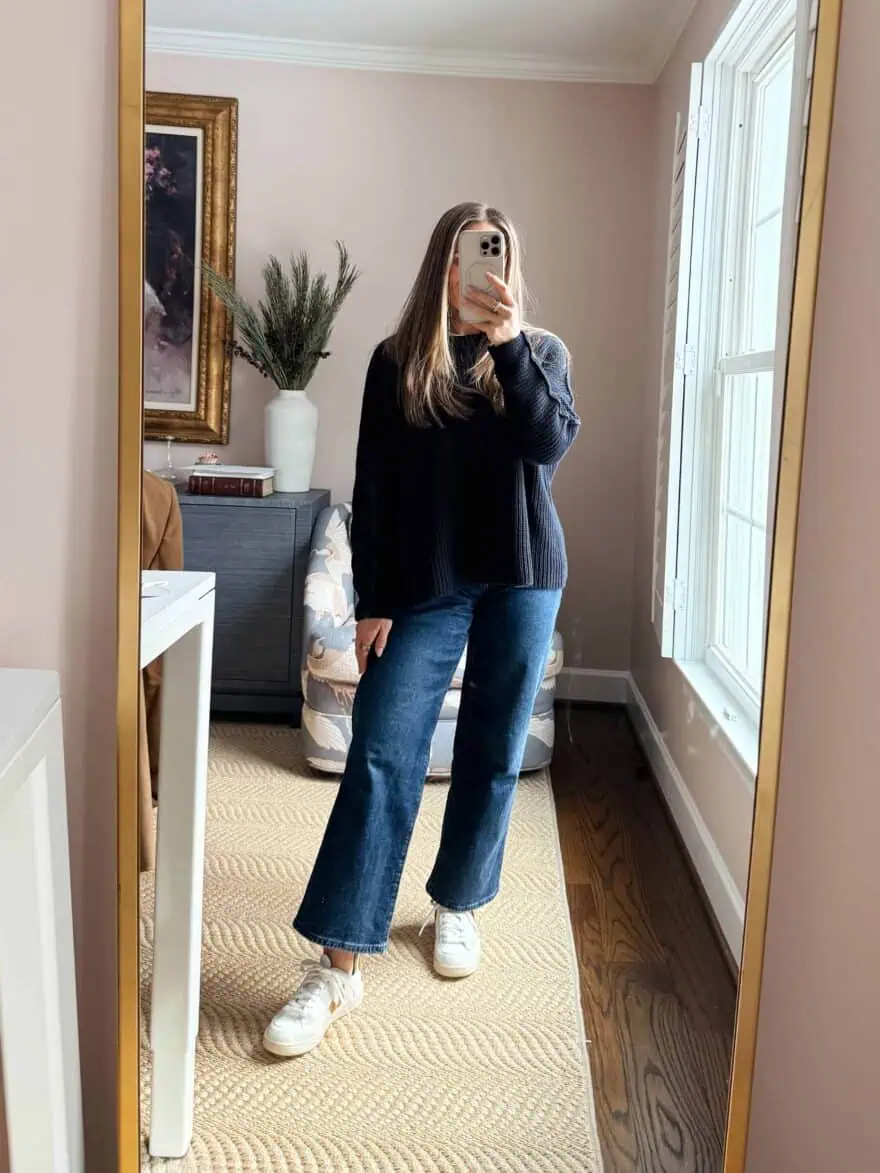
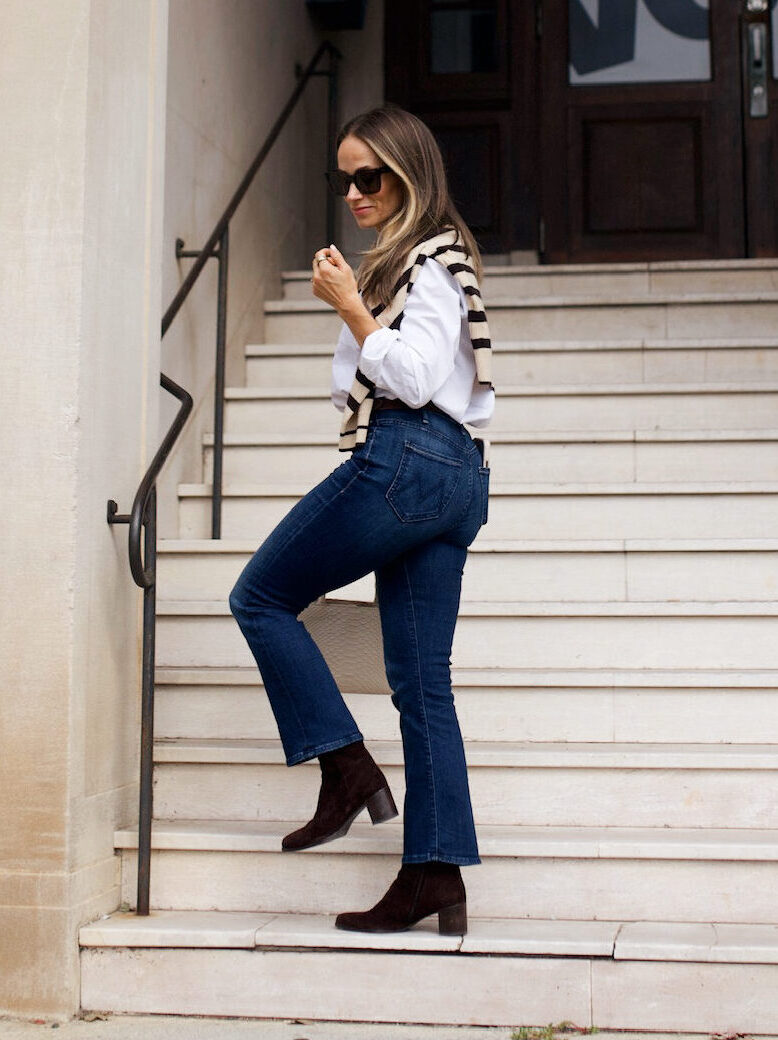
Pre-kids, I loved heels and dresses. But right now, I need more practical items since I have young boys who are slightly feral. Easy pieces are necessary, and I almost always grab flats or reasonable heels like these comfortable booties that go with everything.
Ask yourself:
A closet full of “special occasion” outfits won’t help if most of your days are casual. And dressing aspirationally if it’s not really practical often leads to frustration. Here are some casual outfit ideas for how to dress like a cool mom.
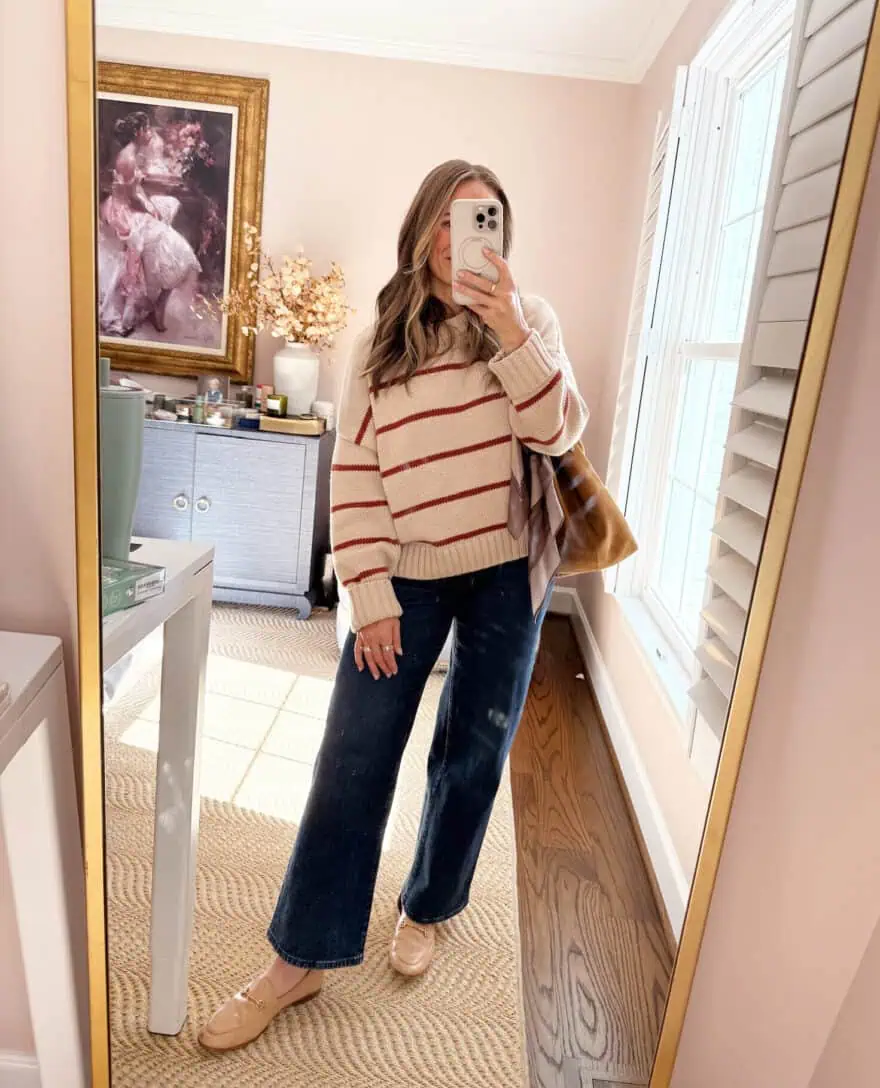
The people you follow online can reveal a lot about your style direction. Pay attention to these things:
Look for common themes among those – is it classic, southern, minimalist? What color palettes do they lean towards? You don’t need to copy anyone, but seeing your taste reflected in others can help you define it more clearly.
Color is one of the fastest ways to clarify personal style.
Open your closet and take note of what colors show up the most. Then, pay attention to what colors you wear the most and what colors you avoid.
My closet has a lot of navy, black, chocolate brown, and a few rich colors like emerald green and deep red. Pastels show up in very limited amounts. Again, that aligns with a classic style. For a while, I was leaning into flowy dresses in pastels and some brighter colors since that’s what so many people wear in the South, but I realized that it’s just not me, so I’ve shifted back to my preferred colorways.
I haven’t felt drawn to do my color analysis, but if that’s something you think would help, do it!
Once you’ve noticed patterns in silhouettes, colors, and preferences, it’s time to pull it all together.
A capsule wardrobe doesn’t mean owning fewer clothes; it means owning more intentional ones. Start with:
These are your anchors. From there, everything else should support those pieces, not compete with them. If something doesn’t work with multiple outfits, it likely doesn’t belong in your core wardrobe.
Here are some posts that might help you get started with those basic pieces:
Finding your style isn’t about labeling it or trying to match the trends each year. Instead, focus more on what you feel good in, what makes you feel most like yourself, what you gravitate towards when looking at others’ style, and what is practical for your day-to-day life. Once you do that, it’ll become easier to shop for pieces you’ll wear for years – plus, it’ll be more exciting to get dressed and feel put-together.



Leave a Comment