

Aug28
READ THE POST







Updated June 2026
Use code TERILYNADAMS for a $260/unit discount that’s not available on the website unless you use my code!
Red light therapy has exploded in popularity, but not all red light therapy devices are created equal. Between masks, panels, wands, and helmets, it can be overwhelming to figure out what actually works and what realistically fits into your daily life.
After testing several red light therapy devices over the years, this is my honest Lumebox 2.0 review, including what I love, what I don’t, how it compares to other devices I’ve tried, and who will actually benefit from it.
Lumebox is not my first red light therapy device, and I think that context matters.
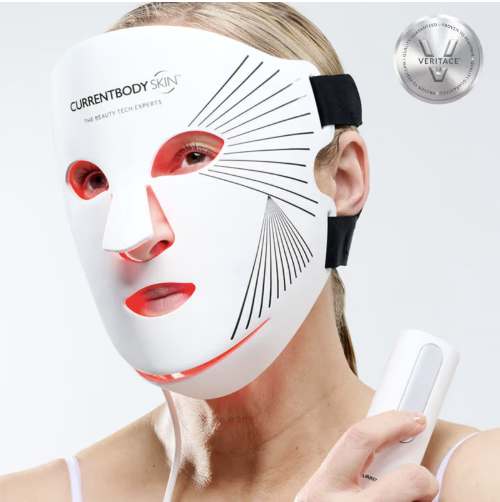
I already own a red light mask, and I genuinely love that it’s hands-free. From a convenience standpoint, masks are hard to beat. I can wear it while answering emails or folding laundry, and it doesn’t require me to hold anything. (You can use code TERILYN10 for 10% off at CurrentBody).
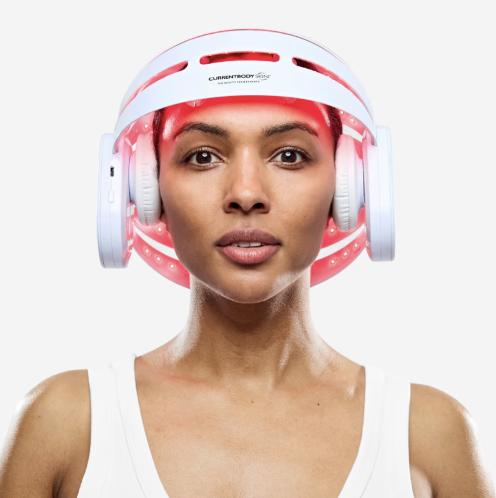
I was also gifted a red light LED helmet from CurrentBody, but it’s enormous. Like bigger than a bike helmet. Between the size and the storage space it requires, I’ve never actually used it.
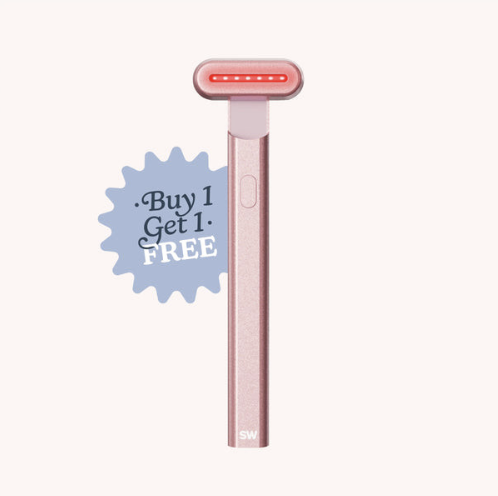
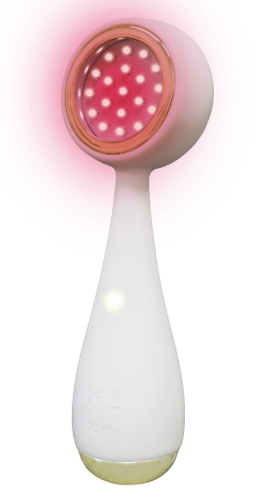
I’ve also tried a red light wand for my face, but that never felt powerful enough for me. Even with consistent use, I didn’t notice much difference.
I wanted the Lumebox because I felt like it could replace all the other devices I had. Plus, it’s more powerful than small facial devices, it’s more versatile than my red light mask, and it’s far more practical than helmets or oversized panels (which are always insanely pricey – I’ve looked into those too!).
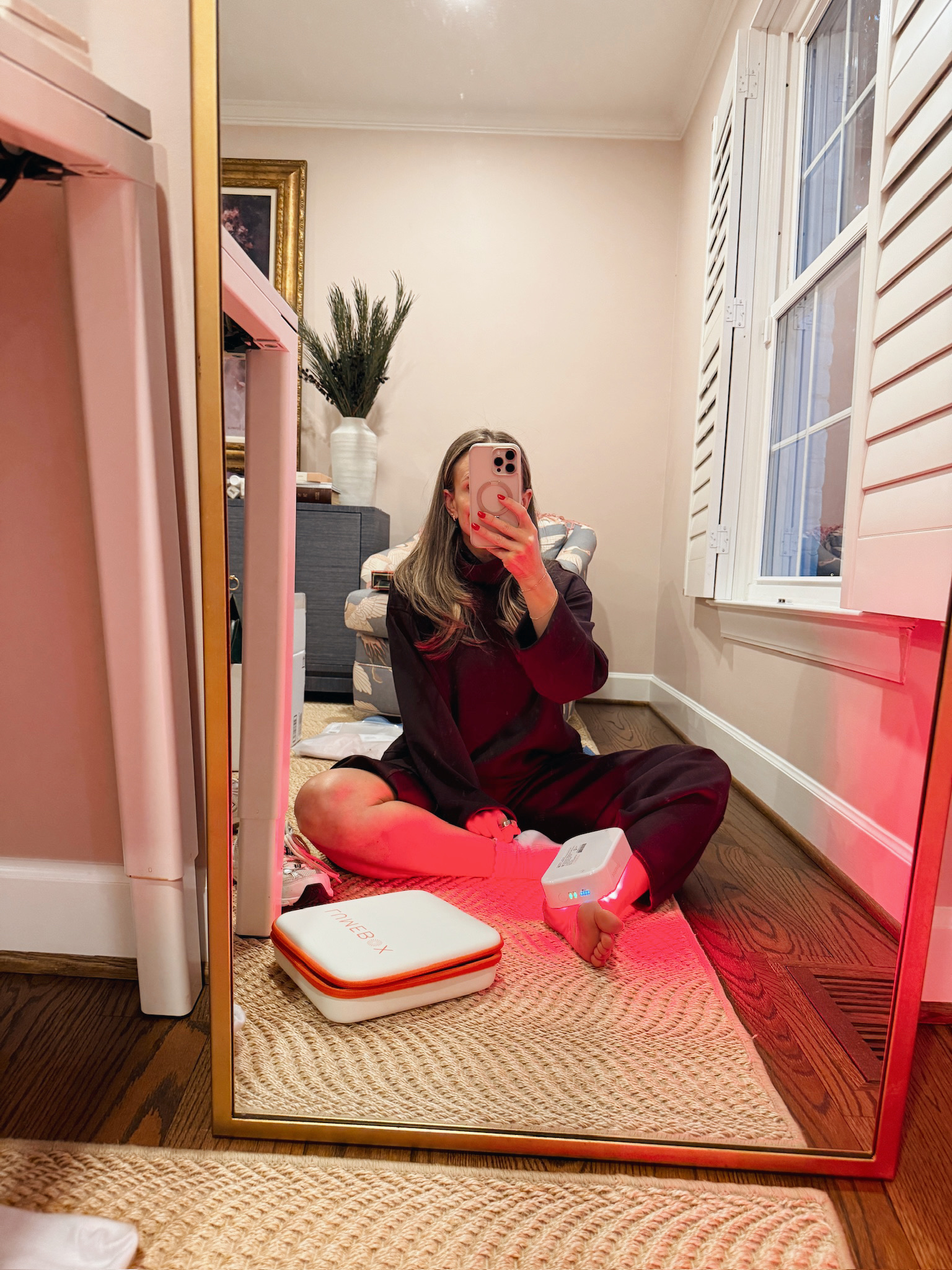
I really wish I’d had Lumebox after my C-section and during recovery from a few injuries that took forever to heal, since I’ve read about incredible results with wounds treated with red light. But these days, I’m using it most often on my joints, which hurt almost every day and even more so in the winter.

Quick note: my code TERILYNADAMS takes $260 off — a better price than you’ll get on the LumeBox site directly
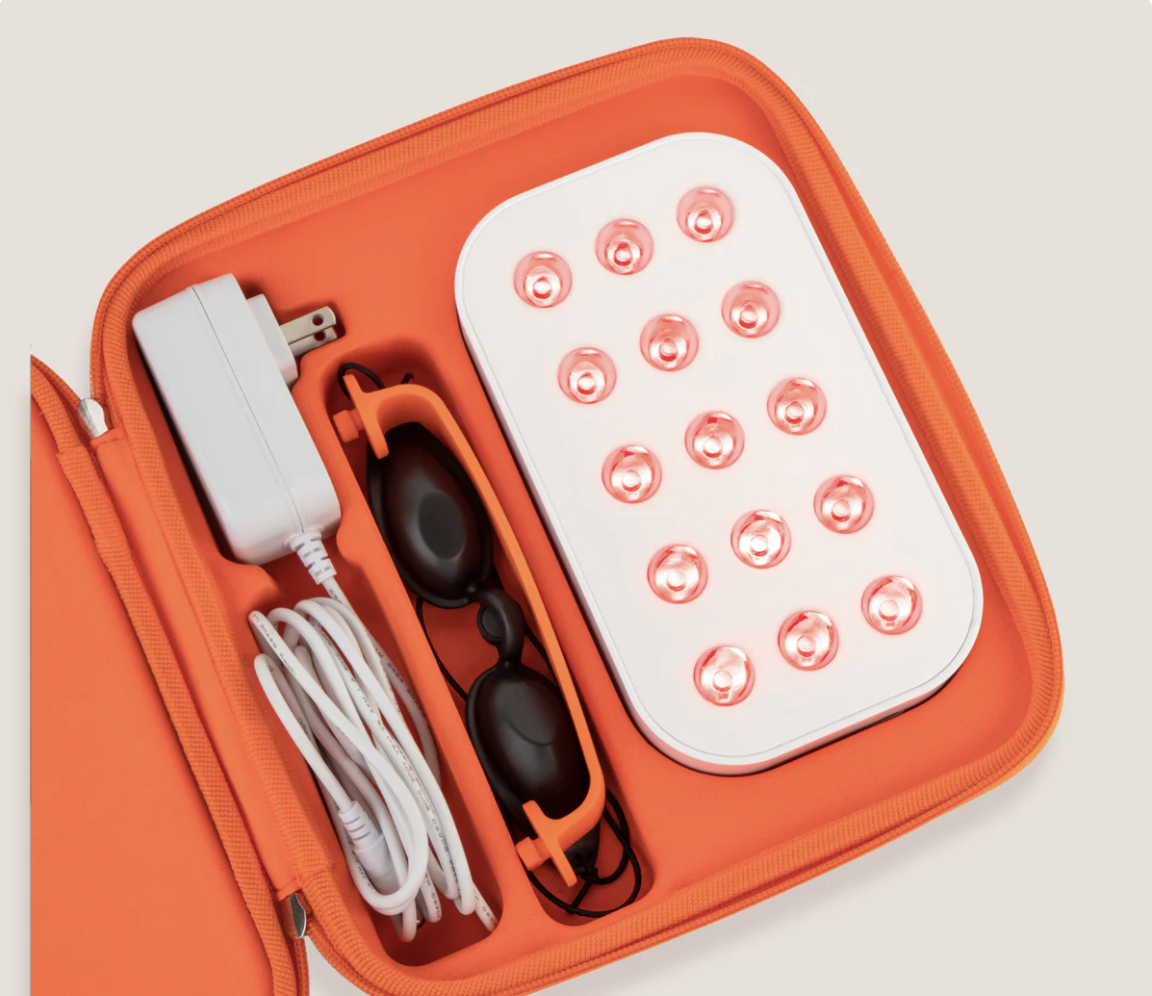
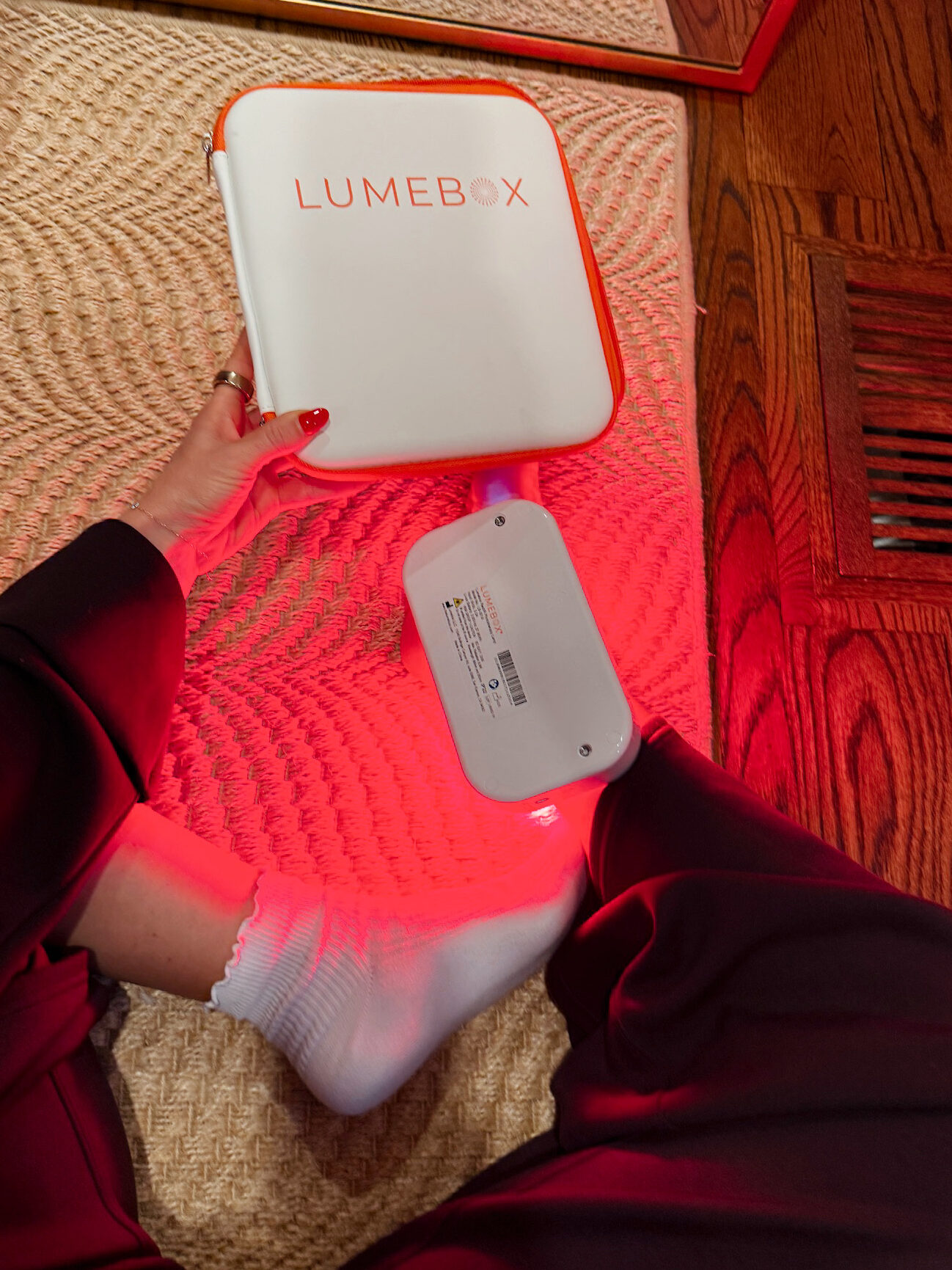
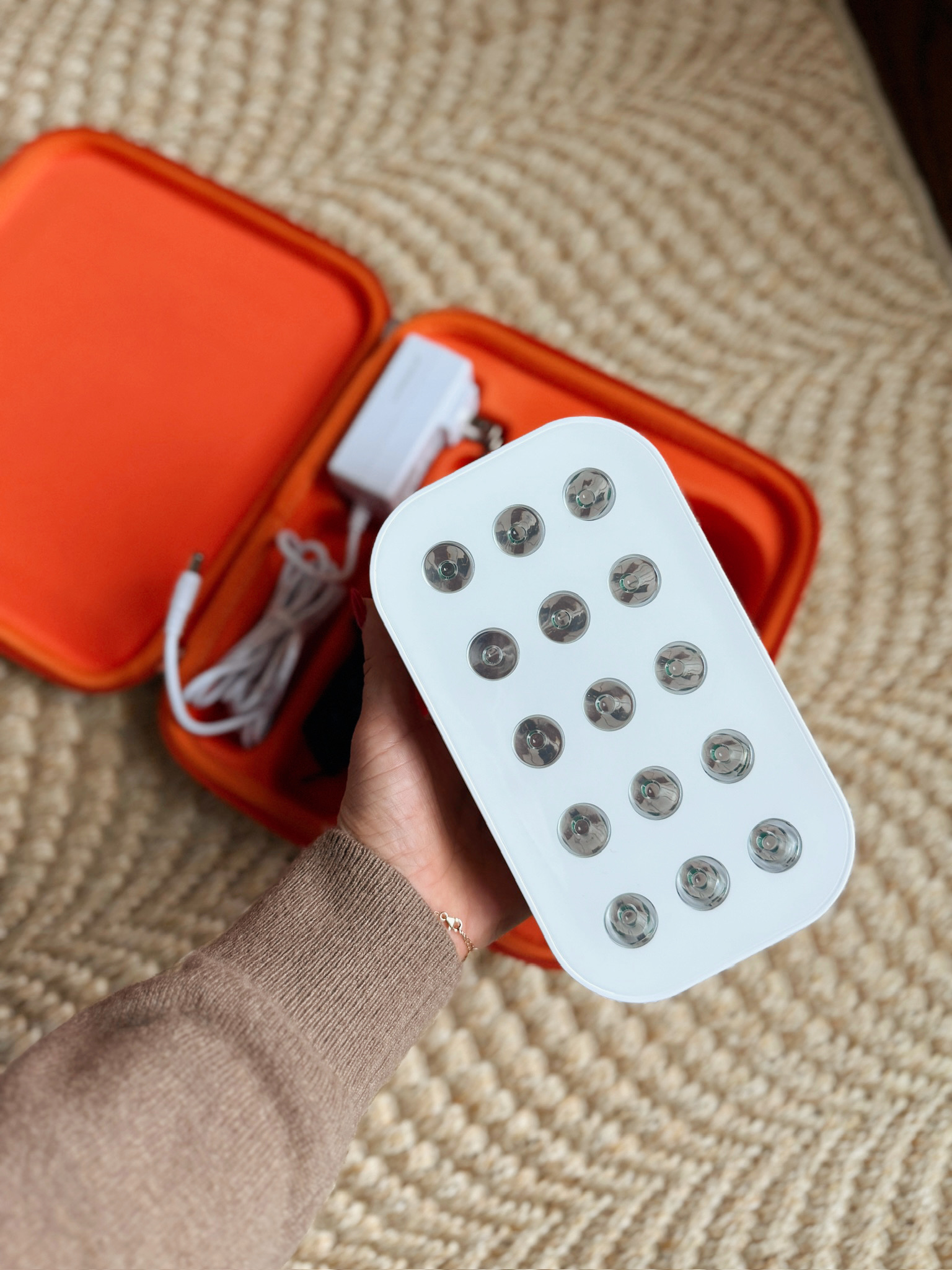
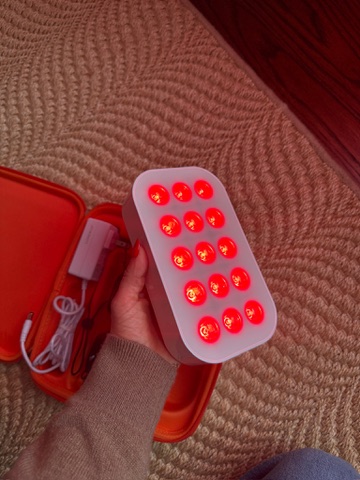
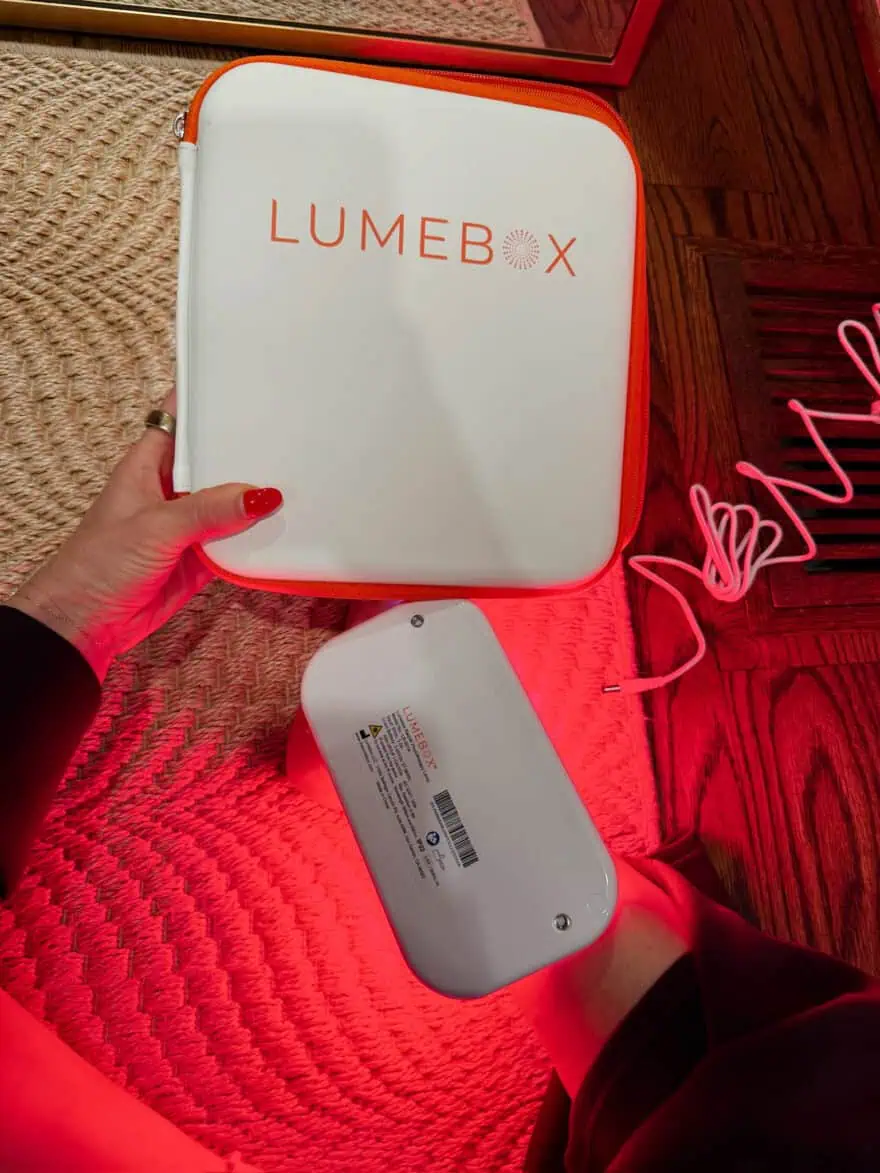
Lumebox is a portable red light therapy device that uses LED technology to deliver red and near-infrared light to targeted treatment areas.
The Lumebox 2.0 uses dual wavelengths, which is key:
Instead of needing separate devices for different concerns, Lumebox is designed to work across multiple areas of the body.
Red light therapy (also called LED RLT) works by delivering specific wavelengths of light that support cellular function and circulation.
With consistent use, Lumebox can help with:
The main reason I chose Lumebox was its versatility and its irradiance level. I wanted one red light therapy device that could support my skin, joints, and overall recovery without taking up a ton of space or requiring multiple tools.
I didn’t know much about irradiance before LumeBox, but I went down the rabbit hole and was impressed with its levels compared to other devices I have. Plus, they use state-of-the-art LED therapy (quality really matters with red light).
For context, here are the irradiance levels of my other red light devices compared to Lumebox – this difference is one of the main reasons Lumebox feels noticeably more effective.
Important note: Irradiance is measured at specific distances, and brands test differently. The values below are approximate manufacturer-reported ranges and are intended for comparison, not precise dosing.
*Irradiance values are typically measured at close range (often 0–6 inches) and vary by testing method, distance, and mode.
To sum it up, output level matters. Low-output devices like wands and masks are designed for gentle, surface-level skin treatments. Higher-output devices deliver more light energy to the tissue, which is why Lumebox is better suited for joint pain, muscle recovery, inflammation, and deeper tissue support.

If you’re trying to decide between different types of red light therapy devices, here’s how Lumebox compares.
Compared to a red light mask, while masks are hands-free and great for facial skin, Lumebox is significantly more powerful and works well beyond the face. It can be used to treat joints, muscles, and general soreness in addition to skin, making it far more versatile. When Lumebox is on sale, it’s often around the same price as a red light mask but offers much more flexibility in how you use it (though at full price, it can be up to twice as much).
Bottom line: Choose a red light mask for face only; choose Lumebox for face + body.
Compared to red light wands, wands typically have lower output and deliver less noticeable results, while Lumebox provides higher irradiance and tends to feel more effective. That said, red light wands are much more affordable. The bottom line here is that if you’ve tried a wand and felt underwhelmed, Lumebox is a major upgrade—but if price is the main factor, a red light wand can still offer some benefit at a lower cost.
When comparing Lumebox to a red light helmet, helmets tend to be bulky, hard to store, and very single-purpose. Lumebox, on the other hand, is compact, portable, and multi-use.
Bottom line: Lumebox is far more practical unless you are very concerned about hair loss and your top priority is regrowth (then the red light helmet will be more convenient).
Compared to red light wands, wands typically have lower output and deliver less noticeable results, while Lumebox provides higher irradiance and tends to feel more effective. That said, red light wands are much more affordable.
Bottom line: If you’ve tried a wand and felt underwhelmed, Lumebox is a major upgrade – but if price point is the main factor, a red light wand will give some benefit at a lower cost.
I’ll be honest: Lumebox isn’t completely intuitive when you first get it. Once you stop thinking about a rigid routine and start using it by area and by need, it becomes much easier and more effective.
Distance matters with red light therapy, but it doesn’t need to be exact. The closer the device is, the more light energy reaches the tissue. Here’s how I use Lumebox depending on what I’m treating.
No – and this is one of Lumebox’s biggest strengths.
Because of its dual wavelengths, Lumebox can be used for:
That versatility makes it ideal if you want fewer devices overall.
This is one of the most confusing parts of red light therapy. You’ll see many influencers not wearing goggles, but Lumebox’s website recommends wearing eye protection, especially when treating areas near the face. If I’m treating my face or anywhere where it feels like the light is in my eyes, I use them.
Lumebox is a premium red light therapy device, and its regular price reflects the higher irradiance output, dual wavelengths, and portability compared to smaller facial devices.
Typically, Lumebox is $629, but if you use code TERILYNADAMS, you’ll receive a $260/unit discount that’s not available on the website unless you use my code!
Short answer: yes, if you want one device that does more than your face. The Lumebox is worth it for anyone who wants both skincare and real relief for sore muscles and joints in one tool. It’s more powerful and more versatile than a red light mask, but the trade-off is convenience since you have to hold it in place instead of wearing it hands-free.
Lumebox isn’t the cheapest option, and it’s not magic. But it’s one of the most practical, versatile red light therapy devices I’ve used.
If you want:
It’s the way to go.
My code TERILYNADAMS takes $260 off — a better price than you’ll get on the LumeBox site directly
Other Posts You Might Like:




Leave a Comment